

Key takeaways
- 240 g nonfat Greek yogurt, approximately 1 cup: about 24 g protein
- 240 ml skim milk, approximately 1 cup: about 8 g protein
- 30 g vanilla whey or whey-casein protein powder: about 23 g protein
- 15–20 g powdered erythritol or another granulated sweetener, optional
- 1 teaspoon vanilla extract
- 1/8 teaspoon xanthan gum, optional
- Pinch of salt
The most reliable high protein Ninja Creami recipes start with a low-fat dairy or dairy-free milk base, a thick protein source, and enough liquid to prevent a chalky, crumbly pint. For the best balance of protein and texture, begin with the Greek yogurt vanilla pint; choose the cottage cheese version for maximum creaminess, and use the almond-milk recipe when you need a dairy-free option.
The recipes below are designed for a standard Ninja Creami pint, using approximately 16 ounces (473 ml) of mixture before freezing. Protein amounts are estimates calculated from typical nutrition labels, so check your own yogurt, milk, cottage cheese, and protein powder labels for the most accurate total.
Our top picks

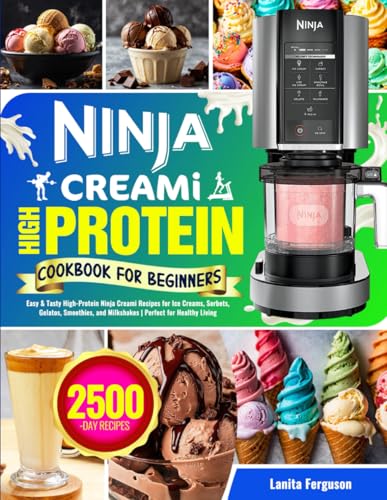


As an Amazon Associate we earn from qualifying purchases at no extra cost to you. Ratings are shown as listed on Amazon.
Quick comparison of the best high-protein Ninja Creami recipes
| Recipe | Best for | Estimated protein | Freeze time | Primary texture |
|---|---|---|---|---|
| Vanilla Greek Yogurt | First-time users and everyday dessert | 43 g per pint | 18–24 hours | Thick, smooth, lightly tangy |
| Chocolate Cottage Cheese | Highest creaminess and chocolate flavor | 51 g per pint | 18–24 hours | Dense, mousse-like |
| Strawberry Cheesecake | Fruit-forward flavor | 39 g per pint | 18–24 hours | Soft, jammy, slightly icy if under-blended |
| Peanut Butter Banana | Filling post-workout snack | 36 g per pint | 18–24 hours | Rich and scoopable |
| Dairy-Free Chocolate | Milk-free diets | 30 g per pint | 18–24 hours | Fudgy, slightly lighter |
Best overall: vanilla Greek yogurt protein ice cream
This is the best starting point because Greek yogurt supplies body, protein powder adds flavor, and a small amount of milk keeps the mixture blendable. Its main trade-off is a mild yogurt tang, which becomes more noticeable if you use an unsweetened protein powder.
Ingredients
- 240 g nonfat Greek yogurt, approximately 1 cup: about 24 g protein
- 240 ml skim milk, approximately 1 cup: about 8 g protein
- 30 g vanilla whey or whey-casein protein powder: about 23 g protein
- 15–20 g powdered erythritol or another granulated sweetener, optional
- 1 teaspoon vanilla extract
- 1/8 teaspoon xanthan gum, optional
- Pinch of salt
Estimated nutrition: approximately 43–55 g protein per pint, depending on the protein powder and yogurt brand. The lower estimate assumes a powder contributing about 15 g protein per 30 g scoop; the higher estimate assumes about 23 g.
Method
- Whisk the milk, protein powder, sweetener, vanilla, salt, and xanthan gum until no dry pockets remain. Mixing the powder before adding yogurt helps prevent protein lumps.
- Stir in the Greek yogurt until smooth. Do not fill above the pint’s maximum-fill line.
- Freeze the pint on a level surface for 18–24 hours. A level freeze matters because an angled frozen surface can make processing less even.
- Process on the Lite Ice Cream or equivalent lighter ice-cream setting recommended by your machine’s manual.
- If the result is powdery, add 1 tablespoon of milk and use Re-Spin. Repeat once if necessary.
Best for maximum creaminess: chocolate cottage cheese pint
Cottage cheese creates an unusually creamy base after it is blended smooth, while cocoa and espresso make the flavor taste richer without requiring much sugar. The trade-off is that the mixture must be blended thoroughly before freezing; otherwise small curds can remain in the finished dessert.
Ingredients
- 225 g low-fat cottage cheese: about 28 g protein
- 180 ml unsweetened chocolate or plain milk: 6–7 g protein if using dairy milk
- 30 g chocolate protein powder: about 20–24 g protein
- 15 g unsweetened cocoa powder
- 1 tablespoon maple syrup or sweetener, adjusted to taste
- 1/2 teaspoon instant espresso powder, optional
- 1/2 teaspoon vanilla extract
- Pinch of salt
Estimated nutrition: approximately 51–58 g protein per pint with dairy milk. A dairy-free milk substitution lowers the total by roughly 6–7 g unless the replacement is fortified with added protein.
Texture and processing instructions
- Blend the cottage cheese, milk, cocoa, sweetener, espresso, vanilla, and salt in a standard blender for 45–60 seconds. This is the key step for a smooth texture.
- Pour into the Creami pint and freeze for 18–24 hours.
- Process on Lite Ice Cream. Scrape down any loose material if the machine’s instructions call for it, then use Re-Spin.
- For a brownie-style mix-in, make a small well after the first processing cycle and add 20–30 g of chopped protein bar or dark chocolate before using the Mix-In setting.
If the pint is still crumbly, do not add a large amount of liquid at once. Start with 1 tablespoon of milk, because too much liquid can turn a dense pint into a soft shake.
Best fruit recipe: strawberry cheesecake protein ice cream
This recipe uses freeze-dried strawberries for concentrated flavor and less free water than a large quantity of fresh fruit. Fresh berries can work, but they usually create a more icy texture unless the puree is reduced first.
Ingredients
- 200 g nonfat Greek yogurt: about 20 g protein
- 180 ml skim milk: about 6 g protein
- 30 g vanilla protein powder: about 20–23 g protein
- 15 g softened reduced-fat cream cheese: about 1 g protein
- 15 g freeze-dried strawberries, crushed
- 1 tablespoon lemon juice
- Sweetener to taste
- 1/8 teaspoon xanthan gum, optional
Estimated nutrition: approximately 39–45 g protein per pint.
Whisk the milk and protein powder first, then combine all ingredients and freeze for 18–24 hours. Process on Lite Ice Cream and use Re-Spin with 1 tablespoon of milk if needed. For a strawberry ripple, add 2 tablespoons of thick strawberry jam after the first cycle and use Mix-In; adding it before freezing can produce harder fruit pockets.
Best filling option: peanut butter banana protein ice cream
Banana adds natural sweetness and softness, while powdered peanut butter gives peanut flavor without the excessive oil that can make a frozen base greasy. Use a ripe but not overlarge banana so the fruit does not dominate the pint’s liquid balance.
Ingredients
- 1 medium ripe banana, approximately 115 g: about 1 g protein
- 240 ml unsweetened soy milk: about 7 g protein
- 30 g vanilla protein powder: about 20–23 g protein
- 20 g powdered peanut butter: about 5–6 g protein
- 1/2 teaspoon cinnamon
- 1/2 teaspoon vanilla extract
- Pinch of salt
Estimated nutrition: approximately 33–38 g protein per pint.
Blend everything until smooth, pour into the pint, and freeze for 18–24 hours. Process on Lite Ice Cream. If the banana was especially large and the pint is dense, use 1 tablespoon of soy milk during Re-Spin. For a stronger peanut flavor, add 1 teaspoon of creamy peanut butter as a mix-in after processing rather than increasing the amount in the base.
Best dairy-free recipe: chocolate almond-milk protein pint
For a dairy-free Ninja Creami recipe, use a protein powder labeled vegan or dairy-free and choose a fortified soy milk when possible. Almond milk is low in protein, so using it alone produces a dessert with a lower protein total.
Ingredients
- 300 ml unsweetened soy milk: about 10 g protein
- 120 ml unsweetened almond milk
- 40 g dairy-free chocolate protein powder: about 25–30 g protein
- 15 g cocoa powder
- 15 g smooth sunflower-seed butter or almond butter
- 1–2 tablespoons sweetener or date syrup
- 1/2 teaspoon vanilla extract
- 1/8 teaspoon xanthan gum, optional
- Pinch of salt
Estimated nutrition: approximately 30–40 g protein per pint, depending mainly on the vegan protein powder and soy milk.
Blend for at least 30 seconds, freeze for 18–24 hours, and process on Lite Ice Cream. Plant proteins often absorb more liquid than whey, so allow the processed pint to stand for 2–3 minutes before deciding whether it needs Re-Spin. Add 1 tablespoon of almond or soy milk at a time if it remains dry.
How to fix common texture problems
| Result after processing | Likely cause | Best fix |
|---|---|---|
| Powdery or crumbly | Low free water, low sugar, or a very cold freezer | Add 1 tablespoon milk and use Re-Spin |
| Chalky | Too much protein powder or insufficient pre-blending | Reduce powder by 5–10 g next time; blend longer |
| Icy | High-water fruit, low-fat milk, or too little stabilizing ingredient | Use strained yogurt, banana, 1/8 teaspoon xanthan gum, or a small amount of nut butter |
| Gummy | Too much xanthan gum or a very thick protein base | Omit the gum next time and increase milk by 30–60 ml |
| Hard, dry top layer | Uneven freezing or uncovered storage | Freeze level, keep the lid sealed, and use Re-Spin with 1 tablespoon liquid |
| Foamy or loose | Over-blending after the pint has softened | Chill the pint again briefly; use less liquid in the next batch |
How to choose the right base and protein powder
Choose Greek yogurt when you want the simplest formula and a thick result. Choose cottage cheese when creaminess matters most and you are willing to blend the base before freezing. Choose soy milk for dairy-free recipes that still need meaningful protein; unsweetened almond, coconut, and oat milks contribute far less protein unless the package says otherwise.
- For a whey-based pint: use 20–30 g protein powder per pint and keep at least 300–480 ml of total liquid or semi-liquid ingredients.
- For a casein-heavy powder: expect a thicker, sometimes pastier result; add 30–60 ml more milk than you would for whey.
- For a vegan powder: begin with extra liquid and allow a short resting period after processing because pea and rice proteins can thicken as they hydrate.
- For low-sugar recipes: include yogurt, banana, nut butter, or a small amount of stabilizer to compensate for the softer texture normally created by sugar.
A useful starting calculation is 30 g protein powder plus 200–250 g yogurt or cottage cheese. For example, 23 g from the powder plus 24 g from 240 g Greek yogurt gives approximately 47 g protein before counting milk; if the milk contributes 8 g, the pint reaches about 55 g. Treat that as a label-based estimate rather than a guaranteed nutrition value.
Freezing, serving, and ownership tips
Freeze every pint on a flat shelf for at least 18 hours, with 24 hours preferred when the freezer is frequently opened. A shorter freeze can leave the center too soft while the outside is hard, producing inconsistent processing. Keep the pint covered to reduce freezer odors and surface frost.
Do not process a pint with large frozen chunks projecting above the surface. Leveling the top before processing reduces stress on the paddle and helps the blade move through an even mass. For mix-ins, use small pieces—roughly 5–10 mm—so chocolate, fruit, and protein bars distribute without creating hard pockets.
Clean the outer bowl, paddle, pint, and lid according to the manufacturer’s care instructions after each use. Protein mixtures dry into stubborn films, especially around the paddle and lid seal, so rinsing soon after serving is easier than letting residue harden. Inspect the paddle and sealing areas periodically; worn seals, cracked containers, or a paddle that no longer locks securely are reasons to replace the affected part rather than continue using it.
Most texture failures are formula problems, not machine problems. The common mistakes are using too much protein powder, freezing an unblended cottage-cheese base, adding excessive xanthan gum, and judging the pint before trying one Re-Spin with a measured tablespoon of liquid.
Frequently Asked Questions
How much protein can I put in one Ninja Creami pint?
There is no universal protein limit, but 25–40 g of protein powder per pint is a practical starting range. More powder can make the dessert chalky, gummy, or unusually dense, especially with casein or plant-based powders. Balance the powder with yogurt, milk, or another liquid base and adjust after the first batch.
Why is my high-protein Ninja Creami ice cream powdery?
Powderiness usually means the frozen base has too little free liquid or contains a high proportion of protein powder. Add 1 tablespoon of compatible milk and use Re-Spin; repeat only if necessary. For future batches, reduce the powder slightly or add 30–60 ml more liquid before freezing.
Can I use whey protein in Ninja Creami recipes?
Yes, whey works well, particularly with Greek yogurt, milk, fruit, and cocoa. It can produce a lighter or slightly icier result than a whey-casein blend, so yogurt, banana, nut butter, or a small amount of xanthan gum can improve body. Always check the sweetener level because flavored whey powders vary considerably.
What is the best dairy-free milk for high-protein Creami recipes?
Unsweetened soy milk is usually the most useful choice because it contributes substantially more protein than almond, coconut, or oat milk. A dairy-free protein powder can supply the rest of the protein, while almond milk can be added for flavor or a lighter texture. Check the carton because protein content differs among brands and formulations.
Can I freeze a Ninja Creami pint for less than 24 hours?
A pint may be ready after about 18 hours if your freezer is cold and stable, but 24 hours is more dependable. The mixture should be solid throughout, not slushy in the center. If it is not fully frozen, processing may be uneven and the final texture can be loose or grainy.
Should I add protein powder before or after freezing?
Add protein powder to the liquid base before freezing so it hydrates and distributes evenly. Adding dry powder after processing can create chalky pockets and may require extra liquid to incorporate it. The exception is a small amount of protein granola, a chopped protein bar, or another solid ingredient added with the Mix-In setting.





Write Your Review
No reviews yet. Be the first to share your experience!