

Key takeaways
- Dry before storing. Damp fabric grows mildew.
- Wash gently. Cotton can be hand washed. Nylon can be washed on a gentle cycle and hung to dry.
- Avoid long sun exposure. UV weakens fibers over time.
- Bring cotton hammocks indoors. Do this during rainy or winter months.
- Replace worn straps. Fraying or thin spots are signs to retire a strap.
The best hammock for most people in 2026 depends on where you will hang it: the ENO DoubleNest is the standard for camping and backyard trees, the Vivere Double Cotton Hammock with stand is a common pick for patios without trees, and the Yellow Leaf Original is a favorite for a plush, spreader-bar-free feel. Before you compare brands, check weight capacity, hanging distance and whether you need a stand. This guide compares six well-known hammocks and shows how to hang one safely.
Our top picks


As an Amazon Associate we earn from qualifying purchases at no extra cost to you.
Quick Comparison of the Top Hammocks
| Hammock | Best for | Type | Material | Stated capacity | Price tier |
|---|---|---|---|---|---|
| ENO DoubleNest | Best overall for camping and trees | Gathered-end, portable | Ripstop nylon | About 400 lb | Mid-range |
| Kammok Roo Double | Best ultralight | Gathered-end, portable | Ripstop nylon | About 500 lb | Upper-mid |
| Yellow Leaf Hammocks Original | Best for comfort and looks | Woven, spreader-free | Soft-spun polyester | Varies by model, around 500 lb | Upper-mid |
| Vivere Double Cotton Hammock with stand | Best patio set with stand | Stand-supported | Cotton with steel stand | About 450 lb | Mid-range |
| Wise Owl Outfitters hammock | Best budget portable | Gathered-end, portable | Nylon | About 400 lb | Budget |
| Hammock stand, steel 9 to 15 ft | Best for a no-tree yard | Free-standing frame | Powder-coated steel | Varies | Mid-range |
Capacity and size differ by model and generation. Verify the numbers on the current listing, and remember that capacity is for a single sitting person, not for dynamic loads like jumping.
Types of Hammocks and What They Suit
| Type | How it feels | Setup | Best use |
|---|---|---|---|
| Gathered-end nylon | Cocoon-like, flexible | Straps and carabiners to two trees | Camping, backpacking, parks |
| Spreader-bar | Flat but unstable, tips easily | Rope or stand | Traditional backyards, kids’ fun |
| Brazilian or woven cotton | Soft, wide, breathable | Hooks or stand | Lounging, napping |
| Quilted or padded | Cushioned | Stand or trees | Patios, sunrooms |
| Hammock chair | Upright seat | Hanging point or stand | Porches, small spaces |
Hanging Distance and Angle: The Numbers That Matter
A good hang is about the shape, not the tension. A hammock that is pulled tight is uncomfortable and puts extra load on the anchors. A common rule is a 30 degree angle between the hammock suspension and the ground.
| Hammock length | Suggested distance between anchors | Anchor height |
|---|---|---|
| 9 ft gathered-end | 12 to 15 ft | About 5 to 6 ft off the ground |
| 10 to 11 ft double | 13 to 16 ft | About 5 to 6 ft |
| Spreader-bar 13 ft total | Stand length 15 ft or tree gap about 15 ft | Per stand design |
A worked example: with 15 feet between two trees and a 10 foot hammock, use tree straps of about 6 feet total so that the sag is about a foot. When you sit, the lowest part should be about 18 inches above the ground.
The Best Hammocks
Best overall: ENO DoubleNest
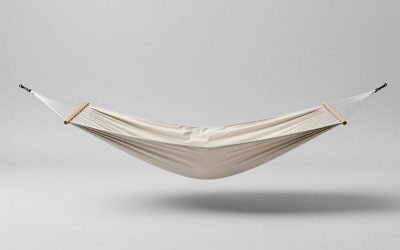
The DoubleNest is a packable nylon double hammock with a quick-drying fabric and a simple stuff sack. It is light enough for backpacking, big enough for two and compatible with ENO straps and accessories such as bug nets. It is also a simple way to turn a backyard into a lounge area if you have two sturdy trees.
Trade-off: the nylon is not as plush as cotton, and you need to find or buy suspension.
Best ultralight: Kammok Roo Double
Kammok’s Roo is a camping hammock that packs small and uses a durable ripstop. It includes an organized stuffing system and works with their strap system.
Trade-off: the cost is higher than basic nylon hammocks.
Best for comfort: Yellow Leaf Hammocks Original
Yellow Leaf makes hand-woven hammocks with a soft feel and wide body, usually without spreader bars. They are made in collaboration with artisan groups in Thailand and are popular for porches and backyards.
Trade-off: they are heavier and not as quick-drying as nylon, so protect them from long rain.
Best patio set: Vivere Double Cotton Hammock with stand
Vivere sells a cotton hammock paired with a steel stand so you can hang it anywhere. The cotton is breathable, and the stand supports a double. It is a practical pick for owners without trees.
Trade-off: the stand takes up lots of space, and cotton needs to be stored in wet weather.
Best budget portable: Wise Owl Outfitters hammock
Wise Owl sells inexpensive nylon hammocks that come with straps and carabiners in many colors. They are a good starter for casual use.
Trade-off: hardware and stitching quality are more basic, so inspect them before every use.
Best for a no-tree yard: steel hammock stand
A free-standing steel stand lets you hang a hammock on a deck or patio. Choose one that is longer than your hammock by about 2 feet and check the capacity rating. A stand with a wide base and powder coat finish will last longer outdoors.
Trade-off: large and heavy, and not as portable as trees.
Safety and Setup Steps
- Pick sturdy anchors. Use healthy trees at least 6 inches in diameter, or rated posts. Avoid dead trees.
- Use wide straps. Straps about 1 inch wide protect bark. Avoid rope that cuts into the tree.
- Check the hardware. Carabiners should be load-rated and closed.
- Test low. Sit down first and bounce lightly before getting in fully.
- Lay in diagonally. A slight diagonal gives the flattest position for sleeping.
- Inspect after storms. Look at straps, seams and anchors.
Care and Storage
- Dry before storing. Damp fabric grows mildew.
- Wash gently. Cotton can be hand washed. Nylon can be washed on a gentle cycle and hung to dry.
- Avoid long sun exposure. UV weakens fibers over time.
- Bring cotton hammocks indoors. Do this during rainy or winter months.
- Replace worn straps. Fraying or thin spots are signs to retire a strap.
Decision Matrix: Which Hammock Fits Your Life?
| Your situation | Better choice | Reason |
|---|---|---|
| Backpacking or camping | Gathered-end nylon, ultralight | Packs small and dries quickly |
| Backyard with two sturdy trees | Nylon hammock with wide straps | Flexible and affordable |
| Patio without trees | Cotton hammock with steel stand | Self-contained setup |
| Napping and lounging | Woven, wide hammock | Softer and cooler |
| Kids and groups | Double hammock on a stand | Firm structure, but supervise |
| Small space | Hammock chair | Uses one hanging point |
Add-Ons Worth Considering
- Tree straps: protect bark and make hanging quick.
- Bug net: useful on summer evenings and for camping.
- Rain fly or tarp: keeps nylon hammocks usable in light rain.
- Underquilt: insulates the underside, since a sleeping bag compresses under your weight and loses warmth.
- Stand cover: protects steel from rust during the off-season.
Frequently Asked Questions
How far apart should hammock trees be?
For a typical 10 foot hammock, about 13 to 16 feet is a good range. Aim for a sag, not a taut line.
How high should I hang a hammock?
Anchors around 5 to 6 feet from the ground work for most setups, with the seat about 18 inches above ground when you sit.
Can I leave a hammock outside?
Nylon is fairly weatherproof but fades in sun. Cotton and woven polyester are best brought in during rain or winter.
Is a hammock good for sleeping?
Many people nap comfortably, and some sleep in a hammock. Lie diagonally for a flatter lay and consider an underquilt in cold weather.
Do I need a stand?
If you lack sturdy trees or posts, yes. A stand rated for your weight and hammock length is safest.
What weight can a hammock hold?
Many double hammocks list around 400 to 500 pounds, but always check the exact figure for your model and the rating of the stand and straps.
Which Hammock Should You Buy?
Choose ENO DoubleNest for trees and camping, Kammok Roo for a lighter pack, Yellow Leaf for comfort, Vivere with a stand for a patio, Wise Owl on a budget and a steel stand if you have no trees. This guide reflects manufacturer information and general outdoor practice; confirm capacity and hardware before use.



Write Your Review
No reviews yet. Be the first to share your experience!