

Key takeaways
- 2 racks pork baby back ribs, 2 to 2½ pounds each, or spare ribs, 3 to 4 pounds each
- 2 tablespoons yellow mustard or neutral oil, optional, to help the rub adhere
- ½ cup dry barbecue rub per two racks
- ½ cup apple juice, cider, or water for wrapping
- ¾ to 1 cup barbecue sauce, optional
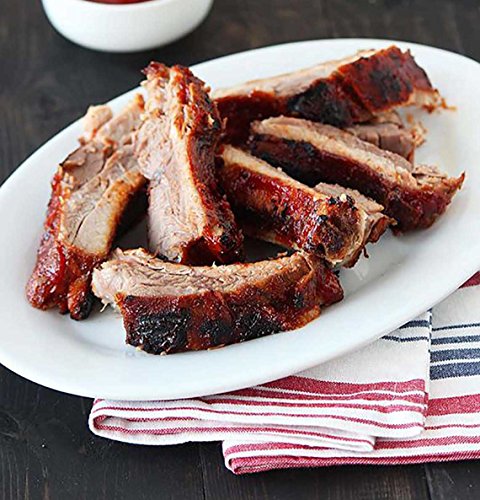
This bbq ribs recipe fall off the bone tender method uses a low oven, smoker, or two-zone grill, then a short uncovered finish so the ribs become tender without turning the bark soft.
Our top picks

As an Amazon Associate we earn from qualifying purchases at no extra cost to you. Ratings are shown as listed on Amazon.
Quick answer: the most reliable method
For dependable results, cook trimmed pork spare ribs at 275°F (135°C) for about 5 to 6 hours, or baby back ribs for 4 to 5 hours. Wrap when the bark is dark and dry—usually after 2½ to 3 hours—with a small amount of liquid. Unwrap for the final 30 to 60 minutes, sauce if desired, and remove the ribs when a probe slides between the bones with little resistance.
“Fall off the bone” is a useful description, but ribs that literally collapse can be softer than many barbecue cooks prefer. For tender ribs that still hold together, aim for a bendable rack and a probe-tender texture rather than relying on a single internal-temperature number.
Ingredients
- 2 racks pork baby back ribs, 2 to 2½ pounds each, or spare ribs, 3 to 4 pounds each
- 2 tablespoons yellow mustard or neutral oil, optional, to help the rub adhere
- ½ cup dry barbecue rub per two racks
- ½ cup apple juice, cider, or water for wrapping
- ¾ to 1 cup barbecue sauce, optional
Temperature and timing guide
| Cooking setup | Temperature | Baby backs | Spare ribs | Wrapping point |
|---|---|---|---|---|
| Oven | 275°F | 4–5 hours | 5–6 hours | After 2½–3 hours |
| Smoker | 250–275°F | 4½–5½ hours | 5½–7 hours | When bark is set, usually 3 hours |
| Two-zone gas or charcoal grill | 275–300°F | 3½–5 hours | 4½–6 hours | After 2–3 hours |
These are planning ranges, not guarantees. Rib thickness, starting temperature, cooker accuracy, and how tightly the rack is wrapped can shift the finish time by 30 to 60 minutes.
Prepare the ribs
- Remove the membrane. Turn the ribs bone-side up and loosen the thin membrane at one corner with a blunt knife. Grip it with a paper towel and pull it away in one piece. Removing it allows seasoning and heat to reach the meat more evenly.
- Trim excess fat and loose flaps. Leave a thin layer of surface fat, but remove thick hard deposits and dangling pieces that may burn.
- Season. Coat lightly with mustard or oil if using, then apply the rub to all sides. Refrigerate uncovered for 1 to 12 hours, or cook immediately. Longer resting seasons the surface but is not required for tender meat.
- Arrange bone-side down. Keep the rack in a single layer with space around it. If it is too long for the oven or grill, cut it in half rather than folding it tightly.
Oven method: easiest temperature control
1. Start covered only if you prioritize maximum softness
Heat the oven to 275°F. For a darker, drier crust, place the ribs uncovered on a wire rack over a rimmed sheet pan. Add a small pan of hot water to the oven if the air is particularly dry, but do not pour liquid over the ribs.
After 2½ to 3 hours, check the bark. When it no longer looks wet and the rub does not smear when touched lightly, place each rack on heavy-duty foil. Add ¼ cup apple juice or water per rack, then seal the foil tightly. A tight seal is important: escaping steam slows the tenderizing stage and can dry the edges.
2. Finish uncovered
Cook wrapped for 1½ to 2½ hours for baby backs, or 2 to 3 hours for spare ribs. Carefully open one packet; hot steam can cause burns. If the ribs bend easily and a thin probe enters between the bones with little resistance, unwrap them. Brush with sauce and return to the oven for 30 to 45 minutes. For a tackier glaze, raise the oven to 325°F for the final 10 minutes, watching closely for burning sugar.
Smoker method: deeper flavor and firmer bark
Set the smoker to 250 to 275°F and use a mild or medium wood such as apple, cherry, maple, or oak. Place the ribs bone-side down and avoid opening the lid during the first 90 minutes. Smoke until the surface is mahogany-colored and the rub has formed a dry crust, generally about 3 hours.
Wrap each rack in foil or unwaxed butcher paper. Foil cooks faster and produces softer bark; butcher paper allows more evaporation and preserves a firmer crust. Add ¼ cup liquid to foil packets, but use little or none with butcher paper. Continue cooking until the rack bends deeply when lifted from one end, usually another 1½ to 2½ hours.
Unwrap and return the ribs to the smoker for 30 to 60 minutes. Apply sauce during the final 15 to 20 minutes so it sets without becoming bitter. If the bark is already dark, keep the final temperature near 250°F rather than increasing the heat.
Grill method: use indirect heat
On a gas grill, light only the burners on one side and stabilize the unlit side at 275 to 300°F. On a charcoal grill, bank the coals against one side and place a disposable drip pan beside them. Keep the ribs over the unheated area, not directly above the fire.
Close the lid and maintain the temperature as steadily as possible. Add a small amount of wood only during the first 60 to 90 minutes; excessive smoke can make the surface harsh. After 2 to 3 hours, wrap as described above. Grill temperatures fluctuate more than oven temperatures, so begin checking baby backs after 3½ hours and spare ribs after 4½ hours.
How to tell when ribs are done
- Probe test: Insert an instant-read thermometer probe, skewer, or toothpick between the bones. It should slide in with resistance similar to softened butter. Avoid probing directly into a bone or a large fat pocket.
- Bend test: Lift the rack with tongs about one-third of the way from an end. Properly tender ribs bend deeply and the surface begins to crack, but the rack should not instantly break apart.
- Bone exposure: About ¼ to ½ inch of bone showing at the ends is common. It is a visual clue, not a precise doneness test.
- Temperature: Many tender ribs fall somewhere around 195–205°F, but thin racks can become tender at a different reading. Texture should decide when to stop.
Rest the finished ribs for 15 to 20 minutes, loosely tented with foil. Slice between the bones with a sharp knife. If the meat still feels chewy, reseal the rack and continue cooking for 30 minutes before checking again.
Choosing the right cooker for your situation
| Situation | Best choice | Why | Main compromise |
|---|---|---|---|
| Lowest effort and most predictable timing | Indoor oven | Steady heat and easy wrapping | No natural smoke flavor |
| Strong barbecue flavor and frequent cooks | Dedicated smoker | Better smoke control and bark development | Fuel, cleanup, and temperature management |
| Limited patio space | Compact two-zone gas grill | Fast heat-up and smaller footprint | Less smoke capacity and limited rib width |
| Occasional cooks on a modest budget | Charcoal kettle grill | Versatile indirect cooking with low entry cost | More temperature adjustment and fuel monitoring |
Ownership and cleanup tips
Foil, butcher paper, charcoal, wood chunks, drip-pan liners, and disposable gloves are recurring costs. For one two-rack cook, plan on roughly ½ to 1 roll of foil, 3 to 6 pounds of charcoal if using a kettle, or several wood chunks for a smoker. A leave-in grate thermometer is often more useful than a second meat thermometer because cooker temperature—not just meat temperature—controls the schedule.
Clean greasy grates after they cool but before residue hardens. Scrape rather than pressure-wash painted or porcelain-coated surfaces, which can chip. Empty ash only when charcoal is fully cold. The parts that commonly wear first are grill-gasket seals, thermometer probes, burner shields, and rust-prone fasteners. Store covers dry and leave ventilation open enough to prevent trapped condensation.
Common mistakes to avoid
- Cooking by the clock alone instead of checking tenderness.
- Wrapping before the bark sets, which leaves the seasoning wet and pale.
- Adding too much liquid; ribs need a moist environment during wrapping, not a bath.
- Putting ribs directly over charcoal or a gas burner, causing scorched sauce and tough edges.
- Saucing too early, since sugary barbecue sauce can burn before the meat is tender.
- Slicing immediately, which releases hot juices before they redistribute.
For the most repeatable result in 2026, use 275°F heat, wrap only after the bark is established, begin checking at the early end of the time range, and let probe tenderness—not a rigid schedule—determine when the ribs are ready.


Write Your Review
No reviews yet. Be the first to share your experience!