

Key takeaways
- 42–48 inches: Best for a small dining area, breakfast nook, or narrow apartment wall. It can hold everyday plates, glasses, and linens without dominating the room.
- 60 inches: The most versatile size for a four- to six-person dining room. It provides useful cabinet space while leaving room for artwork or a lamp above it.
- 72–84 inches: Suited to a large dining room or frequent entertaining. The extra length is valuable for platters and drink service, but only if the room has adequate circulation.
Best Buffet Tables for Dining Rooms & Patios
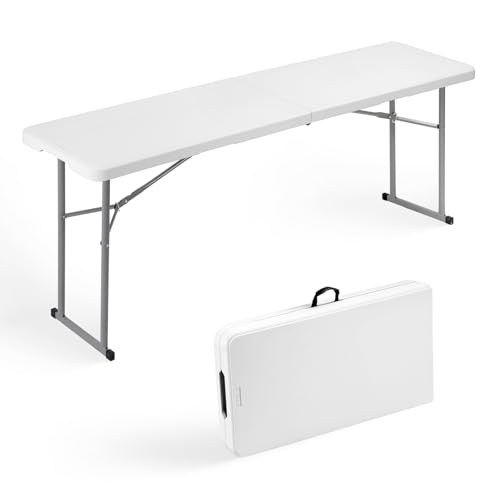
The best buffet tables are 60-inch sideboards for most dining rooms, 48-inch cabinets for compact spaces, and weather-resistant console tables for covered patios where ventilation and easy cleaning matter more than maximum storage.
Quick picks by room, budget, and use
| Situation | Best table type | Useful dimensions | Typical storage | Approximate market range |
|---|---|---|---|---|
| Small dining room or apartment | Compact two-door sideboard | 42–48 in. wide × 15–18 in. deep × 30–34 in. high | 2 adjustable shelves; 80–120 lb total shelf capacity | $180–$450 |
| Regular family dining | Four-door buffet cabinet | 60–72 in. wide × 16–20 in. deep × 30–36 in. high | 2–4 shelves; 140–220 lb total capacity | $350–$1,000 |
| Frequent entertaining | Wide buffet with drawers and cabinets | 72–84 in. wide × 18–22 in. deep × 30–36 in. high | 3–6 shelves plus 2–4 drawers | $700–$2,000+ |
| Covered patio or screened porch | Powder-coated metal or outdoor-rated resin console | 48–72 in. wide × 15–20 in. deep × 30–36 in. high | Open shelf or sealed cabinet; usually 80–180 lb total capacity | $250–$1,200 |
These are category ranges rather than specifications for one particular model. Actual load limits vary with construction, shelf span, fasteners, and whether the unit is anchored. A buffet should support serving dishes and tableware, but heavy stoneware is best distributed across multiple shelves rather than concentrated at the center.
Our top picks



As an Amazon Associate we earn from qualifying purchases at no extra cost to you. Ratings are shown as listed on Amazon.
Which length fits your dining room?
Length is the first decision because a buffet that technically fits can still make chairs, doors, and walking routes awkward. Measure the wall, then reserve clearance for opening doors and moving around the table.
- 42–48 inches: Best for a small dining area, breakfast nook, or narrow apartment wall. It can hold everyday plates, glasses, and linens without dominating the room.
- 60 inches: The most versatile size for a four- to six-person dining room. It provides useful cabinet space while leaving room for artwork or a lamp above it.
- 72–84 inches: Suited to a large dining room or frequent entertaining. The extra length is valuable for platters and drink service, but only if the room has adequate circulation.
As a practical target, leave about 36 inches of clear passage in front of the buffet. If the buffet faces dining chairs, measure from the front edge of the cabinet to the nearest chair in its pulled-out position, not to the table edge. For a 60-inch buffet in a 10-foot-wide room, a 18-inch-deep cabinet leaves 42 inches before accounting for furniture on the opposite side. That is workable in many layouts; a 22-inch-deep cabinet leaves only 38 inches and may feel tight once chairs are occupied.
Storage shelves: open, closed, or mixed?
Closed cabinets
Doors protect serving ware from dust and make the room look calmer. Adjustable shelves are more valuable than a high shelf count because they accommodate tall pitchers, casserole dishes, and stacks of napkins. Look for shelves at least 10–12 inches deep and shelf-pin positions spaced roughly 1–2 inches apart.
Drawers
Drawers are useful for flat items that disappear in cabinets: cutlery, trivets, bottle openers, candles, and cloth napkins. They do not replace shelves for bulky serving pieces. Soft-close slides are quieter and reduce impact, but basic metal roller slides can be perfectly serviceable when the drawer is not overloaded.
Open shelving
Open shelves are convenient on a patio because they dry quickly and make frequently used items easy to reach. They also collect pollen, insects, and airborne grease faster than doors do. Choose open storage for durable melamine, metal, or outdoor-rated plastic rather than delicate linens or fine wood serving pieces.
Mixed storage
A combination of one or two drawers, closed cabinets, and an open center shelf is often the best compromise. Put everyday items in the open area, less-used pieces behind doors, and small accessories in drawers.
Finish durability: indoor versus outdoor use
Finish determines whether a buffet remains attractive after years of wiping, spills, and humidity. “Water-resistant” does not mean outdoor-safe. A dining-room sideboard made from veneered particleboard can swell at unfinished edges after one wet patio season, even if its top has a glossy coating.
- Solid wood: Repairable and visually warm, but it expands and contracts with humidity. Use coasters and wipe spills promptly. It is generally better indoors unless the manufacturer specifically rates the finish for outdoor exposure.
- Wood veneer over engineered board: Often good value indoors, with a consistent appearance and lower cost. Keep it away from rain, standing water, and damp concrete.
- Powder-coated steel or aluminum: A strong choice for covered patios. Aluminum resists rust well; steel needs intact coating and protection from chips that expose bare metal.
- Outdoor-rated resin or high-density polyethylene: Easy to wash and tolerant of occasional moisture. Quality varies, so check for UV resistance and reinforced shelves rather than relying on the word “plastic.”
- Glass: Easy to wipe but shows fingerprints and can chip at corners. It is best used as an insert or top on a stable cabinet, not as the only structural shelf for heavy dishes.
For a patio, place the buffet under a roof, keep it off constantly wet surfaces, and use a breathable cover if it will sit unused for weeks. Do not seal a damp unit under a non-breathable cover: trapped moisture can encourage mildew and corrosion.
Head-to-head: the three most useful configurations
60-inch indoor sideboard versus 60-inch outdoor console
The indoor sideboard usually wins on storage, finish variety, and enclosed capacity. The outdoor console wins on cleanup and moisture tolerance. For a dining room, choose the sideboard if you need to store a complete set of dishes. For a covered patio, choose the outdoor console if food service happens there but most tableware is stored inside.
48-inch cabinet versus 72-inch buffet
The 48-inch cabinet is easier to fit and less visually heavy. It is suitable when the wall is short or the room seats four people. The 72-inch buffet provides roughly 50 percent more top surface than a 48-inch unit, but it can obstruct baseboards, outlets, or door swings. Longer is better only when the room can maintain comfortable circulation.
Open shelf versus enclosed cabinet
Open shelving is faster for daily use and better for damp outdoor environments because air can circulate. Enclosed cabinets hide clutter and protect dishes. For mixed indoor-outdoor entertaining, a closed indoor buffet plus a small outdoor serving console is often more practical than forcing one cabinet to perform both jobs.
Fit calculation before you buy
Suppose your available wall is 84 inches wide. A 72-inch buffet leaves 6 inches on each side, which may look balanced but can make baseboard cleaning and cable routing difficult. A 60-inch buffet leaves 12 inches per side and provides a safer margin. If the table is 18 inches deep and you need 36 inches of passage, reserve at least 54 inches of total depth from the wall toward the open room. Add the pulled-out depth of nearby chairs when the buffet faces the dining table.
For storage, estimate volume rather than counting doors. A shelf measuring 28 inches wide, 14 inches deep, and 10 inches high has about 3,920 cubic inches of usable space. Two such shelves provide 7,840 cubic inches before allowing for hinges, dividers, and door clearance. This is usually enough for a moderate collection of plates, bowls, glasses, and linens, but large platters may require a wider cabinet or an adjustable shelf removed.
Ownership details that affect long-term value
The first parts to show wear are commonly door hinges, drawer slides, shelf edges, and the finish around handles. Heavy doors pull on hinges when a cabinet is not level, so adjust the feet before loading it. Use felt pads beneath ceramic pieces and avoid dragging serving platters across a painted or veneered top.
For routine care, dust with a soft cloth, clean spills with a lightly damp cloth, and dry immediately. Use mild soap only when the finish instructions permit it. Avoid soaking engineered wood, abrasive sponges, bleach, and furniture polish that leaves a slippery film. On powder-coated metal, rinse away salt or pool chemicals rather than letting them dry on the surface.
Before assembly, inspect every unfinished edge and install all supplied back panels. The back panel helps prevent racking, which can cause doors to bind. For a tall or heavily loaded buffet, use the supplied anti-tip hardware and attach it to a wall stud or an appropriate masonry anchor. Keep the heaviest dishes on lower shelves.
Final buying recommendation
Choose a 60-inch, 16–20-inch-deep buffet with adjustable enclosed shelves for the best all-around indoor dining-room balance. Downsize to 42–48 inches when circulation is limited, or move up to 72–84 inches when you regularly serve large groups and have at least 36 inches of clear passage. For patios, select powder-coated aluminum, properly coated steel, or UV-rated resin instead of adapting an indoor cabinet. The right buffet is not simply the longest or most attractive option: it is the one whose dimensions, shelf capacity, and finish match where it will live and how often it will be cleaned.



Write Your Review
No reviews yet. Be the first to share your experience!