

For most homeowners, composite decking is the best material for a deck in 2026 because it balances a reasonable upfront cost with a 25-to-30-year lifespan and almost no staining or sealing. Pressure-treated pine is the cheapest to build, cedar gives the best natural look, and PVC decking lasts longest and suits wet areas such as pool surrounds. The right choice depends on your budget, how long you will own the house and how much maintenance you will accept.
Our top picks


As an Amazon Associate we earn from qualifying purchases at no extra cost to you.
Quick comparison of the best decking materials
| Material | Best for | Board cost tier | Typical lifespan | Upkeep |
|---|---|---|---|---|
| Pressure-treated pine | Lowest upfront budget | Lowest | 15 to 25 years | Seal or stain every 1 to 3 years |
| Cedar | Natural look and smell | Low to high, by grade | 15 to 30 years | Seal or stain regularly |
| Composite (Trex Enhance, Transcend) | Best overall value | Mid to upper-mid | 25 to 30 years | Wash seasonally |
| PVC (TimberTech AZEK) | Pool decks and wet spots | Upper-mid to premium | 30 to 50 years | Wash seasonally |
| Ipe and tropical hardwood | Premium natural wood | Premium | 25 to 50 years | Oil yearly to keep color |
Cost tiers vary by source and region: manufacturer pages put entry composite close to premium wood, while contractor guides put mid-range composite higher. Treat the tiers as planning guidance and ask local suppliers for current quotes.
Best overall: composite decking (Trex and similar brands)
Composite boards combine wood fibres and recycled plastic, and brands such as Trex and TimberTech offer scratch-resistant, fade-resistant caps. Many lines carry 25-year or longer warranties against staining and fading, and the surface does not splinter. Costs sit above wood at purchase but fall behind over time because you avoid sealing and board replacement. One 25-year analysis for a 300 square foot deck found the initial build for mid-range composite cost roughly 1.5 to 2 times as much as pressure-treated wood, but staining and board replacement for the wood deck then added a substantial share of its original cost over the same period.
Who it suits: people who plan to stay in the house for ten years or more. Main trade-off: boards get hot in direct sun, and lower-end lines can show surface scratches.
Best budget: pressure-treated pine
Pressure-treated pine remains the most common decking material because it is cheap and easy to work with. With proper sealing it can last 15 to 25 years. It needs to dry before staining, and you will see cracking, cupping and some splintering over time.
Who it suits: short-term homes, large decks on a tight budget and DIY projects. Main trade-off: the highest ownership workload.
Best natural look: cedar
Cedar has a natural resistance to rot and insects, a pleasant scent and a warm color. It is softer than treated pine and needs sealing to keep its color, otherwise it weathers to gray. Prices vary widely depending on grade.
Main trade-off: softer wood dents more easily and needs regular sealing.
Best for wet areas: PVC decking
PVC boards such as TimberTech AZEK contain no wood fibre, so they do not absorb water and resist mold and staining. This makes them the safest choice around pools, in humid climates and over low-clearance frames. Lifespan estimates go to 30 or even 50 years, but the price is highest.
Main trade-off: cost and a sometimes plastic look, though newer lines imitate wood grain well.
Best premium wood: ipe and tropical hardwood
Ipe is extremely dense and long-lived, and it is among the few woods that rival composites for lifespan. It is also hard to cut and fasten, so installation costs are higher. Without oiling, it weathers to a silver gray.
Total cost of ownership: a worked example
Take a 300 square foot deck over 25 years. Index the pressure-treated build at 100: staining adds roughly 40 to 100 over 25 years, and board replacement in years 15 to 20 adds more. Mid-range composite might start near 150 to 190 with no staining. The totals converge after roughly 12 to 15 years for most homeowners, and composite wins over longer periods. If you plan to sell in under 7 years, pressure-treated wood usually costs less overall.
| Ownership period | Likely lowest total cost |
|---|---|
| Under 7 years | Pressure-treated pine |
| 7 to 15 years | Pressure-treated or entry composite, depending on labor costs |
| 15 to 25 years | Composite |
| 25 years and up, wet area | PVC or high-end composite |
Heat, slip and climate considerations
Dark composite and PVC boards can reach uncomfortable temperatures in full sun, and some lines have heat-mitigating technology. Wood stays cooler underfoot. In wet climates, look for textured, slip-resistant boards. In cold regions, composite and PVC expand and contract more than wood, so gaps at the board ends matter, and installers should follow the manufacturer’s spacing guidance.
Installation and maintenance checklist
- Check local building code for frame spacing; composites often need joists 12 to 16 inches on center.
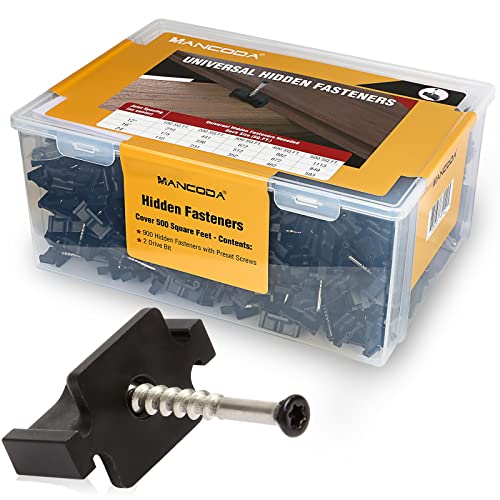
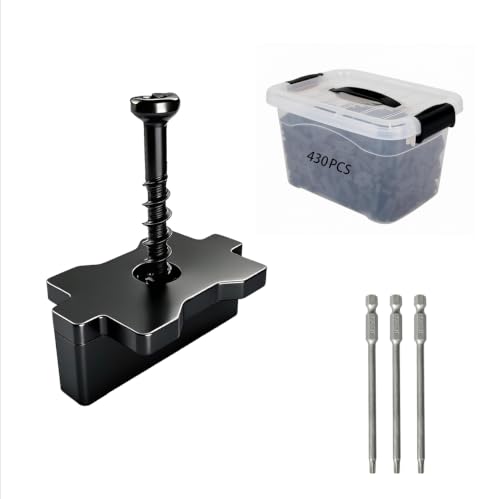
- Use hidden fasteners where possible for a clean look.
- Allow ventilation under the deck to reduce moisture.
- Clean composite and PVC twice a year with soap and water.
- Reseal wood on the schedule your product recommends.
Which decking material fits your situation?
| Your situation | Best material | Reason |
|---|---|---|
| Selling within 5 years | Pressure-treated pine | Lowest upfront cost, buyers accept wood |
| Staying 10 years or more | Composite | No staining, long warranty |
| Pool surround or humid climate | PVC | Does not absorb water, resists mold |
| Love the look of real wood | Cedar or ipe | Natural grain, with upkeep |
| DIY with basic tools | Pressure-treated pine, or composite with hidden fasteners | Easy to cut and fasten |
Common decking mistakes
Many deck problems start with the frame, not the boards. Joist spacing that is too wide makes composite boards sag; follow the manufacturer’s maximum span, commonly 16 inches on center and sometimes 12 inches for diagonal patterns. Skipping flashing where the ledger board meets the house lets water rot the connection, which is a leading cause of deck failures. Failing to leave ventilation under the deck and gaps between boards traps moisture and causes mold on any material.
Another mistake is ignoring thermal movement. Composite and PVC expand and contract with temperature, so gaps at board ends must follow the instructions, and a deck installed in cold weather needs larger gaps than one installed in summer. Finally, warranty terms differ: some manufacturers cover staining and fading for 25 years but limit coverage for scratches or mold, so read the details.
Frequently Asked Questions
Is composite decking worth the extra cost?
For most homeowners who stay ten years or more, yes. You skip staining and sealing, and the boards resist rot and insects.
How long does a wood deck last?
Pressure-treated pine typically lasts 15 to 25 years, and cedar 15 to 30 years, depending on climate and upkeep.
Which deck material is best for pools?
PVC decking is often recommended because it resists water and mold and does not hold moisture the way wood-based boards can.
Does composite decking fade?
All colors fade a little in early months, then stabilize. Capped composites resist fading better than uncapped lines.
Can I install a deck myself?
Many homeowners build low decks themselves. Larger or elevated decks should be built by licensed professionals and permitted according to local code.



Write Your Review
No reviews yet. Be the first to share your experience!