

Key takeaways
- Best Overall Inground Pump (Flexible): XtremepowerUS 2HP Dual Speed Pool Pump, listed at 5,820 GPH, 230V, for inground and above-ground pools.
- Best Premium Pump: Pentair SuperFlo VS Variable Speed Pump, 1.5 HP, for owners who want speed control.
- Best Budget Pump for Above-Ground Pools: XtremepowerUS 3/4 HP, 2,400 GPH self-priming pump.
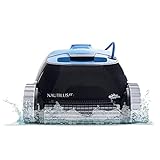
- Best Robotic Cleaner for Above-Ground Pools: Dolphin Nautilus AG with active scrubber brush and top-load filter access.
- Best Cordless Robotic Option: WYBOT C1 cordless robotic pool vacuum, listed for inground and above-ground pools.
- Best Suction-Side Cleaner: Zodiac MX6 suction-side in-ground cleaner, which uses your pump’s suction and has no batteries.
- Best Budget Creepy-Crawler Style Cleaner: VINGLI wall-climbing automatic pool vacuum with 33 ft hoses.
For most backyard pools, buy the pump by flow rate (gallons per minute), not horsepower, and buy the cleaner by pool surface and filter type. A dual-speed pump such as the XtremepowerUS 2HP is a common inground choice, a 3/4 HP unit such as the XtremepowerUS 2400 GPH suits many above-ground pools, and for cleaners the Dolphin Nautilus AG (robotic) and Zodiac MX6 (suction-side) show how different the two main approaches are. This guide answers the questions people search for most, from “what size pump does my pool need” to “which cleaner type fits my pool”, and then names real models from the store for each job.
This guide is research-based. We did not personally use these products, we do not list prices or current deals because they change daily, and we never claim one cleaner type suits every pool. Specs come from listing titles; anything we could not confirm is marked “not listed”, and compatibility questions go to your pool’s manual or a pool professional.
Our top picks


As an Amazon Associate we earn from qualifying purchases at no extra cost to you.
Top Picks at a Glance
- Best Overall Inground Pump (Flexible): XtremepowerUS 2HP Dual Speed Pool Pump, listed at 5,820 GPH, 230V, for inground and above-ground pools.
- Best Premium Pump: Pentair SuperFlo VS Variable Speed Pump, 1.5 HP, for owners who want speed control.
- Best Budget Pump for Above-Ground Pools: XtremepowerUS 3/4 HP, 2,400 GPH self-priming pump.
- Best Robotic Cleaner for Above-Ground Pools: Dolphin Nautilus AG with active scrubber brush and top-load filter access.
- Best Cordless Robotic Option: WYBOT C1 cordless robotic pool vacuum, listed for inground and above-ground pools.
- Best Suction-Side Cleaner: Zodiac MX6 suction-side in-ground cleaner, which uses your pump’s suction and has no batteries.
- Best Budget Creepy-Crawler Style Cleaner: VINGLI wall-climbing automatic pool vacuum with 33 ft hoses.
Quick Comparison Table
| Product | Type | Best for | Key specs (from the listing) | Watch for | Price tier |
|---|---|---|---|---|---|
| XtremepowerUS 2HP Dual Speed | Pump | Inground or large above-ground | 2 HP, 5,820 GPH, 230V, two speeds | Check your plumbing and filter flow limit | Mid-range |
| Pentair SuperFlo VS | Pump | Owners who want variable speed | 1.5 HP, variable speed | Needs correct wiring and drive settings | Premium |
| XtremepowerUS 3/4 HP | Pump | Above-ground pools, ponds | 3/4 HP, 2,400 GPH, self-priming | Smaller flow than inground pumps | Budget |
| Dolphin Nautilus AG | Robotic cleaner | Above-ground pools | Active scrubber brush, top-load filters | Confirm pool size and shape in the manual | Premium |
| WYBOT C1 | Cordless robotic | Smaller to mid pools without a power cord | Cordless, 4-in-1 per listing | Battery runtime is the maker’s figure | Mid-range |
| Zodiac MX6 | Suction-side | Inground pools with a skimmer line | Cyclonic suction, no batteries | Uses your pump and skimmer plumbing | Mid-range |
| VINGLI Wall-Climbing Cleaner | Creepy-crawler robotic | Smaller pools on a tight budget | 33 ft hoses, wall-climbing | Hose reach versus pool size | Budget |
What Size Pool Pump Do I Need?
You need a pump whose flow rate can turn over your pool’s water in about 8 hours, and the math is simple: gallons of water divided by hours, divided by 60, equals the minimum flow in gallons per minute. A 20,000 gallon pool on an 8-hour turnover needs about 41.7 GPM; a 15,000 gallon pool needs about 31.25 GPM. Pool-care sources suggest shorter turnover times (around 6 hours) for heavily used pools and longer ones (around 10 hours) for lightly used ones.
Listings use GPH (gallons per hour), so multiply your GPM by 60 to compare. A 41.7 GPM target is about 2,500 GPH, which means the 2,400 GPH XtremepowerUS 3/4 HP is borderline for a 20,000 gallon pool but comfortable for a typical 10,000 to 12,000 gallon above-ground pool. The listed GPH is the maker’s maximum under ideal conditions with little resistance, so real flow through your filter, pipes and heater will be lower. Size by flow, then check that your filter’s maximum design flow and your pipe diameter can handle it.
A quick worked example: an 18-foot round above-ground pool holding roughly 12,000 gallons, with a target of 8 hours, needs 12,000 divided by 480 minutes, which is 25 GPM or 1,500 GPH. The XtremepowerUS 3/4 HP unit’s 2,400 GPH label gives comfortable headroom even after resistance losses. A 25,000 gallon inground pool needs about 52 GPM, or about 3,125 GPH, which points to the 2 HP class.
Single-Speed, Dual-Speed or Variable-Speed: Which Is Best?
Variable-speed pumps let you run slowly for filtering and faster for cleaning or heating, and in the United States federal dedicated-purpose pool pump rules since 2021 have effectively pushed new replacement inground pumps above roughly one horsepower toward variable-speed designs. Sources describe the exact cutoff slightly differently (total horsepower thresholds around 1.0 to 1.15 are quoted), so check the Department of Energy rule text and your local requirements before you buy a single-speed replacement. Above-ground pumps, small pumps and some regions follow different rules.
That affects shopping: a single-speed or dual-speed pump is simple and lower cost up front, and variable-speed such as the Pentair SuperFlo VS, or the Aquastrong variable speed 2 HP also in the store, adds speed control. We do not make energy savings promises here because they depend on your run hours, electricity rates and plumbing.
1. XtremepowerUS 2HP Dual Speed Pool Pump: Best Flexible Inground Pump
- 2 HP, dual speed, listed at 5,820 GPH
- 230V supply
- Listed for inground and above-ground pools
- Whether it meets current efficiency rules in your area: not listed, check the rule and your local code
Best for: a larger pool where you want a low-speed setting for daily filtering and a high-speed setting for vacuuming. Skip if: local rules require a variable-speed model, or your plumbing is small diameter and cannot move this flow.
Dual-speed pumps run a low-speed setting for ordinary circulation and a high-speed setting when you need more suction for a vacuum, a robotic cleaner booster or a spa spillover. A high horsepower number is not a reason to buy; it is a reason to check your pipes. A 1.5-inch line with a big pump creates noise and wear without more water moving.
Pros: large flow label; two speeds; fits many pool types. Cons: needs 230V wiring by a qualified person; may not satisfy regional efficiency rules.
2. Pentair SuperFlo VS: Best Premium Variable-Speed Pump
- 1.5 HP variable speed pump
- Model listed as EC-342001
- Speed control to match filtering, cleaning and heating tasks
- Voltage and plumbing connections: check the maker’s spec sheet
Best for: inground pool owners who want finer control and may need to meet variable-speed requirements. Skip if: you have a small above-ground pool where a basic pump is enough.
Variable-speed pumps are often paired with pool controllers or automation, and the programming matters as much as the pump. Set the low speed for daily filtering, a higher speed for cleaner runs, and consult the manual for minimum flows when running a heater or salt cell. If you swap in a variable-speed pump, a pool professional can confirm the existing wiring and filter pressure limits.
Pros: speed control; established brand; suited to modern rule changes. Cons: premium cost; setup is more involved than a plug-and-play pump.
3. XtremepowerUS 3/4 HP Self-Priming Pump: Best Budget Above-Ground Pump
- 3/4 HP, listed at 2,400 GPH
- Self-priming
- Listed for above-ground pools and ponds
- Voltage: check the spec sheet, not given in this summary
Best for: a smaller above-ground pool or a replacement for an aging pump. Skip if: you have an inground pool with a long plumbing run or a large heater loop.
Above-ground pool pumps often connect with hoses and a smaller filter, so the filter, not the pump, is the limit. Pairing a very large pump with a small sand or cartridge filter is a common mistake because it can exceed the filter’s design flow. Check the filter’s label for its maximum GPM and keep the pump below it.
Pros: lower cost; self-priming; suited to above-ground setups. Cons: limited flow for big pools; single-purpose.
What Are the Different Types of Pool Cleaners?
There are three main types: suction-side, pressure-side and robotic. Suction-side cleaners connect to your skimmer or a dedicated suction line and run on your pump’s suction. Pressure-side cleaners run on water pushed from a return line, often with a booster pump, and collect debris in a bag. Robotic cleaners have their own motor, filter and wheels and plug into a low-voltage power supply or run on a battery. “Creepy crawler” is a common search for the hose-driven, wall-climbing style that sits between simple robots and suction cleaners.
No type suits every pool. Pool shape, surface (vinyl liner, plaster, fiberglass), debris type and whether the pool has steps and a main drain all change the result, so confirm the cleaner’s listed pool type, size and surface compatibility in its manual before ordering.
4. Dolphin Nautilus AG: Best Robotic Cleaner for Above-Ground Pools
- Automatic robotic pool vacuum, 2026 model per the listing
- Active scrubber brush
- Top-load filter access
- Maximum pool length and cord length: not listed here, check the maker’s page
Best for: an above-ground pool where you want a self-contained cleaner with no connection to your pump. Skip if: you want a cordless model or have a very large inground pool.
A robotic cleaner filters water on its own, so it takes load off the main filter and does not depend on your pump’s suction. That also means you empty the cleaner’s filter basket after most runs and rinse it periodically. If your pool has heavy leaf fall, a leaf skimmer or leaf canister helps because robots with fine filters clog quickly on big leaves.
Pros: independent of the pump; scrubbing brush; easy filter access. Cons: premium cost; cord management; filter cleaning after runs.
5. WYBOT C1 Cordless Robotic Pool Vacuum: Best Cordless Pick
- Cordless, rechargeable robotic pool vacuum
- Described as 4-in-1 for inground and above-ground pools
- Runtime and coverage numbers: the maker’s, check the spec sheet
- Charging method and docking: see the listing
Best for: pools where a power cord is a nuisance, such as odd shapes or cord-snagging steps. Skip if: your pool is very large or you want continuous runs without recharging.
Cordless cleaners solve the tangle problem but add a battery cycle. Runtime claims are made under ideal conditions, so a pool with heavy debris or algae may need more than one charge. Keep the unit out of direct sun when not in use and follow the maker’s guidance on storage and battery care.
Pros: no cord; lightweight; works across pool types per the listing. Cons: battery limits; cleaning coverage numbers are maker claims.
6. Zodiac MX6: Best Suction-Side Cleaner
- Suction-side in-ground pool cleaner
- Cyclonic suction design
- No batteries, no electrical cord; uses your pump
- Pool surfaces supported: check the maker’s page
Best for: inground pools with a dedicated suction line or skimmer connection and a pump with enough flow. Skip if: your pump runs slowly or your pool has complex plumbing.
Suction cleaners use the water your pump already moves, which makes them mechanically simple. They also pull debris into your pump basket and filter, so a clean basket matters. This is the cleaner type most sensitive to your pump setup, so do not pair it with a pump that is too small. A Zodiac G3 suction-side model and a Hayward two-wheel suction cleaner are alternatives in the store.
Pros: simple, few moving parts; no batteries or cords; lower cost than most robots. Cons: relies on pump flow; debris goes to your main filter.
7. VINGLI Wall-Climbing Pool Cleaner: Best Budget Creepy-Crawler Style
- Automatic wall-climbing pool vacuum
- 33 ft hoses per the listing
- Style associated with the “creepy crawler” search term
- Compatible pool sizes and surfaces: not listed here, check the manual
Best for: a smaller pool where you want an automatic helper at a lower cost. Skip if: you have a large or oddly shaped pool where the hose may not reach.
The hose length is the practical limit. Measure the longest path from your skimmer or return to the farthest corner and compare it with the listed hose length before you buy. Also check whether the unit connects to your pump line or to a dedicated outlet, because installation differs across designs.
Pros: lower cost; wall-climbing; simple setup. Cons: hose reach limits; less filtration than premium robots.
Also Consider
- VIVOHOME 2.0HP 6800GPH Pool Pump: a higher-flow single-speed option for in-ground and above-ground pools in 115V/230V versions.
- Aquastrong Variable Speed Pool Pump, 2 HP: a variable speed alternative to the Pentair for owners who want speed control.
- Hayward Two-Wheel Suction Pool Cleaner: a simple suction cleaner listed for pools up to 16 x 32 ft.
- PureSwirlz Cordless Pool Leaf Vacuum: a handheld rechargeable vacuum with a telescopic pole for spot cleaning and leaf pickup.
Pool Vacuum, Accessories and Pump Questions
What is the best pool vacuum for a small or economical setup?
For the lowest-cost cleaning, a manual or handheld rechargeable pool vacuum such as the PureSwirlz leaf vacuum covers spot cleaning, while an automatic cleaner like the VINGLI covers routine runs. Check hose length and pool type before choosing.
What are the best filter pumps for pools and oval pools?
For oval pools, size the pump by the water volume and plumbing, not the shape. Oval volume is roughly length times width times average depth times 5.9 for gallons, as a starting estimate, but use your pool’s manual number if you have it. The pump needs the same GPM calculation as any other pool.
Which pool cleaner types suit inground pools?
Inground pools can use suction-side, pressure-side or robotic cleaners. Pool surface, skimmer plumbing and pump size decide which works better, so match the cleaner’s listed requirements to your equipment.
Are there deals on pool pumps or pool cleaners?
Prices change often and we do not quote them, so compare listings on specs such as GPH, voltage and cleaner type, and watch for seasonal sales before pool season. Be cautious of a deal that skips compatibility.
What gloves should I use for pool cleaning?
Chemical-resistant gloves are sensible when handling pool chemicals or cleaning filters, and the chemical manufacturer’s label tells you the required protection. We do not recommend a specific glove here because we found none matched to pool maintenance in the store.
Is a pool cover pump the same as a pool circulation pump?
No. A submersible cover pump such as the Little Giant APCP-1700 removes water from a pool cover; it does not circulate and filter the pool water.
How We Chose
This guide is research-based. We reviewed listing details from the store, manufacturer information and pool-care guidance on turnover and sizing, and we read how federal pump rules are described by the Department of Energy and pool retailers. We did not personally use these products. We picked pumps across above-ground, inground and variable-speed needs, and cleaners across robotic, cordless, suction-side and hose-driven types, with no more than two per brand. We avoided price quotes and any claim that one type suits every pool.
Buying Guide
Start With Your Pool Volume
Know your gallons. If your owner’s manual lists it, use that. Otherwise estimate with length times width times average depth times 7.5 for rectangles. Then compute your target GPM and compare it to pump GPH divided by 60, keeping in mind that the real flow will be lower than the label.
Match the Pump to the Filter and Plumbing
The filter’s maximum flow and the pipe diameter limit the useful pump. A pump that is too big for a small filter can push debris through and wear parts faster. Ask a pool professional if you are unsure.
Choose a Cleaner Type for Your Debris
Fine dust and algae film suit robotic cleaners with fine filters. Heavy leaves suit suction-side or a leaf canister. Pools with steps, benches or unusual shapes may need a cleaner that listing specifically says it climbs and covers.
Check the Cord, Hose and Reach
Cord length for robots and hose length for hose-driven cleaners must reach the farthest corner. Measure the diagonal of the pool and add the distance to the outlet or skimmer.
Plan Maintenance
Empty pump baskets and cleaner filters regularly, rinse robot filters, and replace worn brushes and tracks as the manual instructs. Consumables are part of the cost of ownership.
Frequently Asked Questions
How long should I run my pool pump each day?
Run it long enough to turn over the pool’s water about once, often around 8 hours, adjusting for use, season and the manual. A pool professional can fine-tune this for your setup.
Do robotic cleaners need my pump?
No. Robotic cleaners have their own motor and filter, though some systems still need your main filter to handle fine particles.
Can I use a suction cleaner with a variable-speed pump?
Often yes, but the pump must run at a speed that gives the cleaner enough suction, so check both manuals.
Is a bigger pump always better?
No. Oversizing can exceed filter and plumbing limits and waste energy, so size by required flow.
How do I know which cleaner fits my pool surface?
Read the cleaner’s listing and manual for vinyl liner, plaster, fiberglass and tile compatibility, and ask the pool builder if you are not sure.
What should I do before winterizing a pump?
Follow your pump maker’s winterizing steps, which usually involve draining the pump housing, and consult a pool professional for your climate.
Decision Matrix: Which Setup Fits Your Pool?
| Your situation | Pump direction | Cleaner direction | Check first |
|---|---|---|---|
| 10,000-12,000 gallon above-ground pool | 3/4 HP class around 2,400 GPH | Robotic such as Dolphin Nautilus AG, or budget hose-driven VINGLI | Filter maximum flow, hose or cord reach |
| 20,000 gallon inground pool, vinyl liner | Dual-speed 2 HP class or variable speed | Robotic or suction-side | Pump rules in your area, liner compatibility |
| 25,000 gallon plaster pool with heavy leaf fall | Variable speed such as Pentair SuperFlo VS | Suction-side Zodiac MX6 plus a leaf canister, or a robot with a coarse filter | Pump basket size, skimmer plumbing |
| Small plunge or odd-shaped pool | Match to volume, not to horsepower | Cordless robotic such as WYBOT C1 | Battery runtime, steps and benches |
| Occasional spot cleaning only | Keep the existing pump | Handheld rechargeable leaf vacuum | Pole length, battery charge time |
Worked Example: Choosing Run Time
Say your pool holds 15,000 gallons and your pump moves a real 40 GPM through your filter. Turnover time is 15,000 divided by 40, divided by 60, which is about 6.25 hours per turnover. Running the pump for 8 hours would give a little over one turnover, which fits typical guidance for a medium-use pool. If the same pump only manages 25 GPM through a dirty filter, the same pool needs 10 hours for one turnover, which is a reminder to clean the filter and baskets before you decide a pump is too small.
Ownership Realities Nobody Mentions
Pump seals and lid o-rings are the first parts to wear and are inexpensive compared with the pump. Robotic cleaners need filter rinsing after most runs and eventually tracks or brushes. Suction-side cleaners wear their hoses and diaphragms. Hose-driven crawlers can tangle if the hose swivel is neglected. Budget a little time every week during swimming season, and follow each maker’s maintenance schedule instead of a general rule.
Which One Should You Buy?
If you have an above-ground pool and just need circulation, start with the XtremepowerUS 3/4 HP and a robotic cleaner such as the Dolphin Nautilus AG. If you have an inground pool, compute your GPM, check your local pump rules, and choose between the XtremepowerUS 2HP dual speed and a variable-speed unit like the Pentair SuperFlo VS. For cleaners, pick a robot for independence, suction-side for simplicity, or the VINGLI for a lower-cost automatic option, and always confirm pool type and size in each manual.
Sources
- U.S. Department of Energy, dedicated-purpose pool pump regulation overview
- Pool sizing and turnover guidance from pool retailers and pool-care publications
- Manufacturer listing details for XtremepowerUS, Pentair, Dolphin, WYBOT, Zodiac and VINGLI
Last updated: October 2026



Write Your Review
No reviews yet. Be the first to share your experience!