

Key takeaways
- Remove loose dirt with a soft brush after each outdoor session.
- Clean the upper with mild soap, cool water, and a cloth; avoid soaking the midsole.
- Air shoes at room temperature and remove the insoles to dry separately.
- Do not machine-dry them, as heat can distort adhesives and foam.
- Reserve one pair for indoor training if possible; pavement rapidly abrades gym outsoles.
- Replace the shoes when the tread is smooth in key contact areas, the heel counter collapses, or the midsole feels permanently tilted or flat.
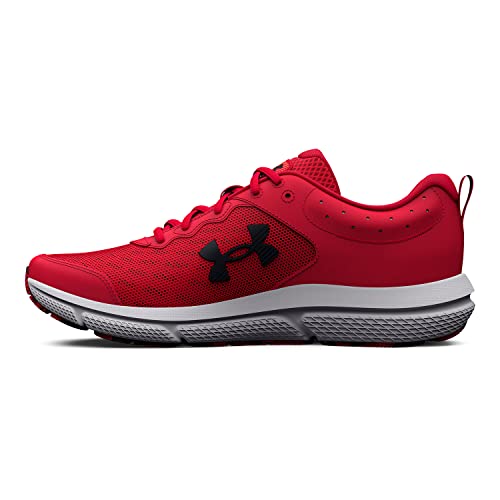
The best cross training shoes balance a stable heel for lifting, flexible lateral support for agility, enough cushioning for cardio, and a durable outsole that can handle repeated contact with gym floors. For most people, the Reebok Nano X4 is the most versatile all-rounder; choose the Nike Metcon 9 for heavier lifting, the adidas Dropset 3 for a stable strength-focused feel, or the Under Armour TriBase Reign 6 for a low, flexible connection to the floor.
Our top picks


As an Amazon Associate we earn from qualifying purchases at no extra cost to you. Ratings are shown as listed on Amazon.
Best cross-training shoes at a glance
| Model | Best for | Heel-to-toe drop | Approx. weight | Typical price range |
|---|---|---|---|---|
| Reebok Nano X4 | One-shoe gym versatility | 7 mm | Approximately 12–13 oz per men’s shoe | $130–$150 |
| Nike Metcon 9 | Heavy lifting plus conditioning | 4 mm | Approximately 13–15 oz per men’s shoe | $130–$160 |
| adidas Dropset 3 Trainer | Stable strength training | Approximately 6.5 mm | Approximately 13–15 oz per men’s shoe | $130–$150 |
| Under Armour TriBase Reign 6 | Agility, circuits, and low-to-ground training | Approximately 2 mm | Approximately 11–13 oz per men’s shoe | $120–$140 |
Weights vary by size and version, and manufacturers do not always publish comparable measurements. Treat the figures as useful category estimates rather than laboratory-equivalent specifications.
Head-to-head comparison
Reebok Nano X4: the best all-purpose choice
The Nano X4 is the easiest recommendation when your week includes strength training, rowing, treadmill intervals, bodyweight circuits, and occasional jumps. Its redesigned midsole provides a firmer platform under the heel while retaining more comfortable cushioning toward the forefoot. That combination makes it less harsh than a dedicated lifting shoe during cardio.
Its wide, stable base supports lateral movement, and the outsole typically provides reliable grip on rubber gym flooring. The upper is flexible enough for repeated lunges and step-ups without feeling like a rigid lifting shoe. Fit is usually medium to moderately wide, with enough forefoot room for many users but not an especially roomy anatomical toe box.
Choose the Nano X4 if you want one pair for three or four different training styles. It is not the most locked-in option for maximal barbell work, and runners seeking soft, continuous cushioning will still prefer a running shoe for dedicated distance sessions.
Nike Metcon 9: best for lifting stability
The Metcon 9 emphasizes a firm heel, broad base, and strong lateral containment. Its extended sidewall handstand support and reinforced upper are useful for rope climbs, wall work, and demanding gym sessions. The heel is stable during squats, deadlifts, presses, and loaded carries, while the forefoot has enough flexibility for short conditioning intervals.
The trade-off is weight and feel. Compared with a lightweight training shoe, the Metcon 9 can feel deliberate during repeated jumps or fast footwork. Its cushioning is adequate for circuits but not designed to replace a running shoe. The fit is often snug through the midfoot, so people between sizes or with wider feet should pay close attention to the return policy and try the shoes with training socks.
Pick the Metcon 9 when lifting is the priority and cardio is performed in short blocks. A removable or adjustable heel insert on some versions can add versatility, but it does not turn the shoe into a true weightlifting shoe with a raised, rigid heel.
adidas Dropset 3 Trainer: best for a planted strength-training feel
The Dropset 3 uses a dual-density midsole concept: firmer support near the heel and more forgiving foam toward the forefoot. That gives it a grounded feel during squats and presses without making walking and moderate cardio unnecessarily uncomfortable.
Its outsole is broad and stable, with good contact for lateral exercises such as skater hops, lateral lunges, and sled work. The shoe generally suits lifters who prefer their feet to feel planted rather than cushioned. It can run somewhat structured through the midfoot, so it is worth checking the specific colorway’s upper construction and using a gradual break-in period.
The Dropset 3 is a strong choice for strength circuits, functional fitness, and gym sessions where stability matters more than maximum running comfort.
Under Armour TriBase Reign 6: best for low-to-ground agility
The TriBase Reign 6 has a low profile and flexible forefoot that encourage natural foot movement during quick changes of direction, rope work, kettlebell drills, and bodyweight training. The heel is stable enough for general lifting, but the shoe feels less elevated and less structured than the Metcon 9.
Its grip is particularly useful for lateral drills and indoor circuits. The lower cushioning level improves floor feedback but may feel unforgiving during long sessions on hard surfaces. If you regularly combine agility work with heavy barbell training, this model offers a compelling compromise; if you need plush cushioning, look elsewhere.
How to choose by workout and experience
| Your situation | Best direction | Why |
|---|---|---|
| Beginner using one pair for everything | Reebok Nano X4 | Balanced cushioning, stability, and adaptable fit |
| Experienced lifter doing mostly squats and deadlifts | Nike Metcon 9 or adidas Dropset 3 | Firm heel and strong lateral containment |
| Frequent circuits with jumps and agility drills | Reebok Nano X4 or TriBase Reign 6 | Better flexibility and less restrictive forefoot movement |
| Wide feet or swollen feet after long sessions | Try the widest available version of a Nano or Dropset first | More forefoot volume than many narrow training models |
| Training four or more times weekly | Prioritize durable rubber and rotate pairs | Rotation allows foam and lining to recover between sessions |
| Budget under approximately $100 | Previous-season versions during normal sales | Older models can retain the needed structure at a lower cost |
What matters more than marketing features
Heel stability
For lifting, the heel should resist twisting and excessive compression. Press your thumb into the heel foam: it should feel firm and supportive rather than soft like a running shoe. A stable heel helps you maintain consistent contact with the floor, but a very rigid design can become uncomfortable during jumping and longer cardio sessions.
Lateral support
Look for an outsole wider than the upper, reinforced sidewalls, and a secure midfoot. During a lateral lunge, your foot should not slide across the footbed or spill over the edge of the sole. Laces should hold the heel without requiring an excessively tight knot.
Cushioning and outsole grip
Cross-training cushioning should absorb repeated short impacts without wobbling under load. Dense foam is generally preferable for lifting, while a little more forefoot softness helps with box step-ups and intervals. For grip, rubber coverage under the heel and forefoot matters more than an aggressive-looking tread pattern. Smooth, clean rubber usually grips indoor flooring better than a dusty or worn outsole.
Fit
Try training shoes near the end of the day, when feet are slightly larger. Leave approximately 0.4–0.6 inches of space in front of the longest toe, keep the heel from lifting during walking, and check that the widest part of your foot sits over the widest part of the sole. Do not size down to remove heel movement if your toes become compressed; adjust the lacing or choose a different shape instead.
Durability and ownership realities
The first parts to wear are usually the forefoot rubber under the big toe, the heel edge, the inner heel lining, and the upper beside the little toe. Rope climbs and outdoor asphalt are especially hard on mesh and exposed foam. A shoe that looks clean can still have a compressed midsole: compare its height and firmness with a new pair, and notice whether your foot feels closer to the ground on one side.
For regular training, use the following maintenance routine:
- Remove loose dirt with a soft brush after each outdoor session.
- Clean the upper with mild soap, cool water, and a cloth; avoid soaking the midsole.
- Air shoes at room temperature and remove the insoles to dry separately.
- Do not machine-dry them, as heat can distort adhesives and foam.
- Reserve one pair for indoor training if possible; pavement rapidly abrades gym outsoles.
- Replace the shoes when the tread is smooth in key contact areas, the heel counter collapses, or the midsole feels permanently tilted or flat.
A practical ownership calculation illustrates why rotation can help. Suppose a $140 pair lasts 120 workouts: $140 divided by 120 equals about $1.17 per workout. If alternating two pairs extends each pair to 160 workouts, the combined cost is $280 divided by 320 workouts, or about $0.88 per workout, before considering sales or replacement insoles. Actual lifespan depends on body weight, training surface, mileage, and exercise selection.
Bottom line
Choose the Reebok Nano X4 for the broadest mix of lifting, cardio, and agility. Choose the Nike Metcon 9 when heel stability and lifting support come first, the adidas Dropset 3 for a planted strength-training feel, and the Under Armour TriBase Reign 6 for low-profile agility and floor feedback. If you perform substantial outdoor running, use a separate running shoe: even the best cross trainer is designed for varied gym movement, not high-mileage road comfort.





Write Your Review
No reviews yet. Be the first to share your experience!