

Key takeaways
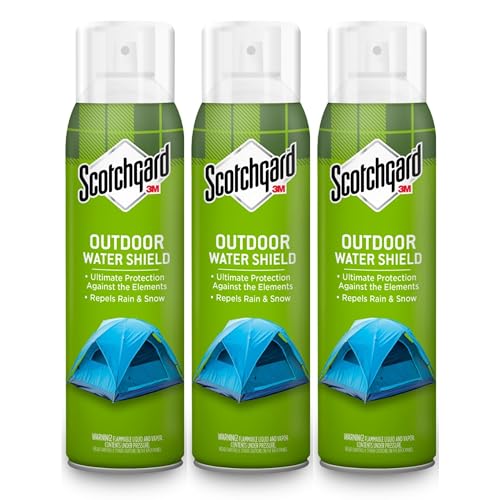
- Best Overall Protector Spray: Scotchgard Outdoor Water and Sun Shield, 10.5 oz.
- Best for Large Sets and Canvas-Style Fabrics: 303 Fabric Guard Water Repellent for Outdoor Fabrics, 32 oz.
- Best Budget Protector Spray: featrity Outdoor Fabric Protector Spray, 12.8 oz.
- Best Cleaner Before You Seal: Sunbrella Clean Multi-Purpose Fabric Cleaner, 32 fl oz.
- Best Mildew Stain Remover: STAR BRITE Outdoor Collection Mildew Stain Remover.
- Best Outdoor Fabric Paint for Faded Cushions: Rust-Oleum Outdoor Fabric Paint, 12 oz.
- Best Spray-On Color Touch-Up: Tulip ColorShot Outdoor Upholstery Spray Paint.
The best fabric protector spray for outdoor cushions is a water-and-UV outdoor formula applied to clean, fully dry fabric: Scotchgard Outdoor Water and Sun Shield is our top pick for easy do-it-yourself coverage, and 303 Fabric Guard is the runner-up when you want to restore repellency on larger sets or on canvas-style outdoor fabrics. If your cushions are already faded, you will want a cleaner first and, in some cases, outdoor fabric paint or dye before sealing the color with a protector.
This guide is research-based. We did not personally use these products; we compared listing details and the manufacturers’ published directions (3M Scotchgard, 303 Products, and Rust-Oleum). Where a listing does not state a spec, we say “not listed.” Always read and follow the label on the can, because directions and drying times differ by product and temperature.
Our top picks



As an Amazon Associate we earn from qualifying purchases at no extra cost to you.
Top Picks at a Glance
- Best Overall Protector Spray: Scotchgard Outdoor Water and Sun Shield, 10.5 oz.
- Best for Large Sets and Canvas-Style Fabrics: 303 Fabric Guard Water Repellent for Outdoor Fabrics, 32 oz.
- Best Budget Protector Spray: featrity Outdoor Fabric Protector Spray, 12.8 oz.
- Best Cleaner Before You Seal: Sunbrella Clean Multi-Purpose Fabric Cleaner, 32 fl oz.
- Best Mildew Stain Remover: STAR BRITE Outdoor Collection Mildew Stain Remover.
- Best Outdoor Fabric Paint for Faded Cushions: Rust-Oleum Outdoor Fabric Paint, 12 oz.
- Best Spray-On Color Touch-Up: Tulip ColorShot Outdoor Upholstery Spray Paint.
Quick Comparison Table
| Product | Best for | Key specs (from listing and maker) | Watch for | Price tier |
|---|---|---|---|---|
| Scotchgard Outdoor Water and Sun Shield | Repellency plus UV protection | 10.5 oz aerosol; water repellent; made for outdoor gear and patio furniture | Spot-check color first; reapply seasonally | Budget |
| 303 Fabric Guard | Restoring repellency | 32 oz (16 oz also sold); for outdoor fabrics, canvas and more | Needs clean, dry fabric and warm weather | Mid-range |
| featrity Outdoor Fabric Protector | Value spray | 12.8 oz; waterproof and UV protection per listing | Fewer independent details | Budget |
| Sunbrella Clean | Routine cleaning | 32 fl oz; multi-purpose fabric cleaner for patio cushions | Follow dilution and rinse directions | Mid-range |
| STAR BRITE Mildew Stain Remover | Mildew stains | Professional-strength mildew stain remover for outdoor fabric | Check fabric compatibility first | Budget |
| Rust-Oleum Outdoor Fabric Paint | Faded solid colors | 12 oz; UV and weather resistant; soft, flexible finish | Too many coats can stiffen fabric | Budget |
| Tulip ColorShot Outdoor Upholstery Spray | Small touch-ups | 8 fl oz cans; UV and weather resistant | Color match is limited to available shades | Mid-range |
The Restore-Then-Protect Order: What to Do First
People often buy a protector spray and apply it to dirty, faded cushions, then wonder why the result looks blotchy. The sequence that manufacturers’ directions point toward is the same every time: clean, rinse, dry, restore color if needed, then protect. A protector bonds best to clean fabric; 303’s instructions say to clean thoroughly and let the fabric dry completely first, or the product may not adhere. Scotchgard’s directions likewise say to apply only to clean, dry articles. Paint and dye come before the protector because a repellent coating can prevent color from soaking in or sticking.
| Step | What to do | Typical product | Why in this order |
|---|---|---|---|
| 1 | Brush off loose dirt; clean with outdoor fabric cleaner; rinse | Sunbrella Clean or similar | Dirt under a coating is locked in |
| 2 | Treat mildew spots if present | STAR BRITE Mildew Stain Remover | Stains show through paint and coatings |
| 3 | Dry completely in shade or sun with airflow | None | Moisture blocks adhesion |
| 4 | Restore color only if faded | Rust-Oleum fabric paint or dye | Needs bare fabric to grip |
| 5 | Let paint cure per the label | None | Cure time varies; check the can |
| 6 | Apply protector spray | Scotchgard or 303 | Seals in repellency and UV protection |
| 7 | Let it dry, then reapply as the maker directs | Same | Repellency wears off over time |
One caution on step 6: published sources we found do not confirm how every paint and protector combination behaves together. Spot-check a hidden area and follow the cure times on the can before treating the whole cushion.
How Much Spray Do You Need? A Quick Coverage Calculation
Coverage per can is usually printed on the label and is not stated in these listings, so check it. To estimate your own need, calculate the surface area you will treat. A 22 x 22 inch seat cushion has two large faces of 484 square inches each (968 total, about 6.7 square feet) plus four edges. With a 4 inch thick cushion, the edges add about 352 square inches, bringing the total to roughly 1,320 square inches, or 9.2 square feet. A set of six seat cushions plus six backs can easily exceed 60 square feet. Because makers recommend spraying until the fabric is evenly wet or covered, plan for more than one can for a full set, and consider the larger 32 ounce 303 bottle if you have many cushions.
1. Scotchgard Outdoor Water and Sun Shield (10.5 oz): Best Overall Protector Spray
- 10.5 oz aerosol; also sold as a 2-pack and in other sizes.
- Water repellent with sun (UV) protection for outdoor gear and patio furniture.
- Maker directions: shake well, apply to clean, dry articles, protect nearby surfaces from overspray.
- Check colorfastness first; it may slightly darken or enrich fabric tone.
- Drying: about overnight at around 70 F and 50 percent humidity, per the maker.
- Reapply: each time you clean the item, or about once a season.
Best for: homeowners who want a simple, widely available spray that adds water repellency and UV protection. Skip if: you need to cover many large cushions on a budget; a bigger bottle is better value.
Scotchgard is the easiest to use because aerosol application is quick and the directions are clear. The “once a season” reapply guidance is practical: spray in spring when you set out cushions, and again after any deep cleaning. A protector does not make cushions waterproof or stain-proof; it makes water bead and helps fabric shed spills so you can blot them. Foam inside the cushion still needs a cover with good drainage if cushions sit in heavy rain.
Pros: clear maker directions; water and sun protection in one can; easy to find. Cons: aerosol cans cover limited area; may darken some fabrics; needs regular reapplication.
2. 303 Fabric Guard (32 oz): Best for Large Sets and Canvas-Style Fabrics
- 32 oz bottle (a 16 oz size is also sold).
- Described as restoring water and stain resistance on outdoor fabrics, canvas and more.
- Maker directions: clean the fabric and let it dry completely, choose a warm day (above 70 F), spray in a ventilated area until evenly wet, overlap sprayed areas.
- Check colorfastness on a hidden area first; do not treat fabric if color comes off.
- Reapply interval: not fixed by the maker; the supplier notes that repellency fades over time.
Best for: large sets of cushions, awnings, and canvas-style fabrics where a trigger sprayer is more economical than aerosol cans. Skip if: you prefer a ready-to-go aerosol.
The bigger bottle suits whole-patio jobs, and the maker’s advice about warm weather matters: spraying on a cool, damp day can leave a tacky or uneven finish. Gold Eagle, the company behind 303, also notes that monthly rinsing of treated fabric with plain water can reduce how often you need to retreat. That is a handy low-effort habit.
Pros: large size suits big sets; clear application guidance; for outdoor fabrics. Cons: requires clean dry fabric and warm conditions; needs a spray bottle technique to avoid drips.
3. featrity Outdoor Fabric Protector Spray (12.8 oz): Best Budget Protector
- 12.8 oz size; a 25.6 oz size is also sold.
- Described as heavy-duty, waterproof and UV-resistant for patio cushions.
- Maker directions and drying time: read the product page; not listed in the title.
Best for: a low-cost alternative when you want a UV-focused protector. Skip if: you want a brand with long-published directions.
This is the value option. Because less independent guidance exists, follow the can’s directions strictly, spot-check a hidden area, and avoid assuming it behaves exactly like the larger-brand sprays.
Pros: budget cost; two sizes; marketed for UV protection. Cons: fewer published details; not tied to a long track record.
4. Sunbrella Clean Multi-Purpose Fabric Cleaner (32 fl oz): Best Cleaner Before You Seal
- 32 fl oz multi-purpose fabric cleaner for patio cushions.
- Described as an all-in-one cleaner for water-safe upholstery.
- Dilution and rinse directions: read the label.
Best for: routine cleaning before you apply a protector. Skip if: your cushions need heavy mildew removal.
A clean surface is the base of every protector. Use a soft brush, rinse thoroughly, and let the cushions dry completely, including the foam inside if water got through. If you want a full cleaning walkthrough for mold, our separate cleaning guide goes step by step; here we keep to the protection side.
Pros: made for outdoor fabric cleaning; large bottle; suited to routine care. Cons: not a dedicated mildew treatment; needs rinsing.
5. STAR BRITE Outdoor Mildew Stain Remover: Best Mildew Stain Remover
- Professional-strength mildew stain remover for outdoor fabric and vinyl.
- Sold as a spray; other STAR BRITE fabric cleaners exist.
- Fabric compatibility and wait times: read the label.
Best for: mildew-stained cushions before painting or sealing. Skip if: your fabric is delicate or the label warns against use.
Use a mildew stain remover before paint or protector, because stains can show through coatings. Work in ventilation, wear gloves as the label says, and rinse thoroughly. Do not mix cleaning products; follow the label instructions carefully. If stains persist after one treatment, repeat according to the directions rather than increasing strength.
Pros: targets mildew stains; low cost; widely available. Cons: needs careful rinsing; fabric compatibility must be checked.
6. Rust-Oleum Outdoor Fabric Paint (12 oz): Best Paint for Faded Solid Colors
- 12 oz spray; sold in multiple colors, including red, gray, khaki and turquoise.
- UV and weather resistant, with a soft, flexible finish.
- Maker directions: use between 50 and 90 F with humidity below 65 percent; clean with soap and water, rinse and dry.
- Technique: shake for one minute after the ball rattles, hold the can 6 to 8 inches away, use steady overlapping strokes.
- Extra coats may be needed on some outdoor fabrics, but too many can leave fabric stiffer and blotchy.
Best for: revitalizing solid-color cushions that have faded unevenly. Skip if: the cushions are patterned or you need a perfect color match.
Fabric paint is a refresh, not a repair. It works best on solid colors and tends to flatten patterns. Start on the back of a cushion or a hidden seam, apply thin coats, and let each dry before adding another. Avoid heavy application on seating surfaces to keep the fabric flexible. The maker does not give a reapply schedule; treat it like paint and recoat only when color wears.
Pros: restores faded color; soft finish; many colors. Cons: thick coats stiffen fabric; best on solid colors; weather conditions matter.
7. Tulip ColorShot Outdoor Upholstery Spray Paint: Best Spray-On Touch-Up
- Outdoor upholstery spray in 8 fl oz cans; a 4-pack of black is listed.
- Described as UV and weather resistant.
- Color options: check the product page; not all shades are offered.
Best for: small jobs like a single cushion, a throw pillow, or patching a faded edge. Skip if: you are repainting a whole set.
Smaller cans suit patching and accent work. Like any fabric spray, thin, even coats look better than one heavy pass, and ventilation matters. Keep a spare can of the same lot if you want a seamless touch-up later.
Pros: convenient small size; weather-resistant claims; good for patches. Cons: limited shade range; small cans cover less.
Also Consider
Rit DyeMore Synthetic Fiber Dye
For synthetic fabrics like polyester, a dye made for synthetic fibers can refresh color, and it is the answer to the question “best dye for outdoor cushions” in many cases. Check your cushion’s fabric label first: some outdoor acrylics and coated fabrics resist dye. Dye outcomes vary, so work on a hidden area.
Carbona Outdoor Cleaner with Built-In Brush, 22 fl oz
A spot cleaner with a sponge and bristle brush for patio furniture and rugs. Useful for localized stains on cushion covers before sealing.
Shuttle Art Fabric Paint Set
A permanent soft fabric paint set for crafts. It is not marketed as an outdoor paint in the listing, so we would use it for decorative accents on covered cushions rather than for weather exposure.
Paint, Dye or Spray: Which Restoration Fits Your Cushions?
| Situation | Best approach | Why |
|---|---|---|
| Clean cushions, bright color, just need weather protection | Protector spray only | No color work needed |
| Faded solid-color cushions | Outdoor fabric paint, then protector | Restores color with a flexible finish |
| Faded polyester cushions where you can change color | Synthetic fiber dye, then protector | Color goes in the fibers; try a hidden area first |
| Patchy sun spots on one cushion | Small spray paint touch-up | Faster than redoing the set |
| Mold and mildew stains | Mildew remover, rinse, dry, then protector | Stains must be removed before coating |
| Old, brittle, torn fabric | Replace the cover | Coatings cannot repair fabric damage |
How We Chose
This guide is research-based. We compared manufacturer directions from 3M Scotchgard, 303 Products (via Gold Eagle and Sailrite instructions), and Rust-Oleum’s support pages, plus retail listings for the other products. We did not personally use these products. We chose items with clear intended use on outdoor fabric, covered the full clean, restore and protect sequence, and kept no more than two products per brand. We avoided quoting prices and any health or safety guarantees; always follow label cautions. Where independent guidance on combining products was missing, we said so.
Buying Guide: How to Choose Protector Sprays, Cleaners and Color
Choose the protector by fabric
Outdoor polyester, acrylic and canvas-style fabrics are the typical targets for the products here. Check the label of your cushion. If it says “do not use water repellents” or the fabric is a special coated type, talk to the cushion maker first. Always spot-check a hidden area before spraying the whole cushion.
Aerosol or trigger bottle
Aerosol cans are convenient for a couple of cushions and give an even mist. Trigger bottles in 32 oz size, like 303’s, are more economical for many cushions but require steady technique and enough ventilation.
Weather and timing
Both Scotchgard and 303 directions point to warm, dry conditions, and Rust-Oleum specifies 50 to 90 F with humidity below 65 percent for its paint. Plan the project for a dry day with good airflow and allow the fabric to dry before use. Do not rely on the sun alone to dry foam that has soaked through.
Safety and ventilation
Aerosols and solvent-based products require outdoor or well-ventilated use. Keep away from heat, flames and children and pets while drying, wear gloves and eye protection if the label advises it, and read the safety data on the can. If you have breathing concerns, ask a doctor before using strong sprays.
Reapplication
Protectors wear off. Scotchgard advises reapplying after each cleaning or about once per season; 303 does not give a fixed interval but notes repellency fades. A simple routine is to treat cushions at the start of the season, rinse monthly with plain water, and retreat if water stops beading.
Common Mistakes
- Spraying a protector over dirt or damp fabric.
- Painting thick coats that make the fabric stiff.
- Skipping the hidden-area trial and discovering a color change on the seat.
- Working in cool, humid weather, which slows drying.
- Expecting protector to repair mildew stains or torn seams.
Frequently Asked Questions
What is the best fabric protector spray for outdoor cushions?
A water-and-UV outdoor formula such as Scotchgard Outdoor Water and Sun Shield is a strong all-round choice, with 303 Fabric Guard a good larger-volume option. Apply either to clean, dry fabric and follow the can’s directions.
Can I use a UV protection spray on patio cushions?
Yes, sprays like Scotchgard Water and Sun Shield and featrity’s outdoor protector are made with UV protection in mind. They may slow fading but cannot stop it entirely, so keep cushions out of the harshest sun when you can.
What is the best water-repellent spray for outdoor cushions?
Both Scotchgard Outdoor and 303 Fabric Guard are designed to restore water repellency on outdoor fabrics. Reapply when water stops beading on the surface.
What is the best cleaner for outdoor cushions before spraying?
Use a fabric cleaner made for outdoor cushions, such as Sunbrella Clean, and a mildew stain remover if needed. Rinse well and dry completely before you seal.
Can I paint outdoor cushions?
Many people use outdoor fabric paint such as Rust-Oleum’s on solid-color cushions. Apply thin coats within the temperature and humidity range on the can, and avoid heavy buildup that stiffens the fabric.
What is the best dye for faded patio cushions?
For synthetic fabrics, a synthetic fiber dye such as Rit DyeMore is one option. Fabric type matters, and some coated outdoor fabrics resist dye, so check the label and try a hidden area first.
How often should I reapply fabric protector?
Scotchgard suggests reapplying each time you clean the item or about once a season. For 303, watch whether water beads and retreat when it stops, and rinse treated fabric with plain water regularly.
Which One Should You Buy?
For most people, buy a cleaner, a protector spray, and nothing else: Sunbrella Clean (or a similar outdoor cleaner) plus Scotchgard Outdoor Water and Sun Shield. If you have a large set, switch to the 32 oz 303 Fabric Guard. Add STAR BRITE for mildew stains and Rust-Oleum paint only if color has faded on solid-color cushions. Always clean first, dry fully, and read the label before you spray.
Sources
- 3M Scotchgard: Outdoor Water and Sun Shield directions and how-to pages
- 303 Products and Gold Eagle: 303 Fabric Guard application instructions
- Sailrite: 303 Fabric Guard application instructions PDF
- Rust-Oleum Support: Specialty Outdoor Fabric article
- Retail listings for Sunbrella Clean, STAR BRITE, featrity, Tulip, Rit, Carbona and Shuttle Art
Last updated: October 2026
More from Amazon
Programs that pair well with the guide above. Offers and eligibility are set by Amazon and may change.
Collect the home and kitchen items you want in one registry that guests can shop from.
Create a wedding registrySet up recurring deliveries of everyday items on eligible products. Terms and savings are set by Amazon.
Explore Subscribe & SaveFree shipping on eligible items, Prime Video and more. Eligible new members can start with a free trial.
Start a Prime free trialAudiobooks and podcasts to listen to on the go. Eligible new members can start with a free trial.
Try Audible freeAs an Amazon Associate we earn from qualifying purchases.





Write Your Review
No reviews yet. Be the first to share your experience!