

Key takeaways
- Apple and cherry: mild, lightly sweet smoke for gin, vodka, sparkling cocktails, and lighter rum.
- Oak: balanced and familiar with bourbon, rye, aged tequila, and brandy.
- Hickory: assertive and savory; use briefly with whiskey or dark rum.
- Mesquite: intense and dry; best in very small amounts with mezcal or tequila.
- Maple: gentle and rounded for bourbon, coffee cocktails, and drinks with maple or vanilla.
The best cocktail smokers for most home bars are a handheld cold-smoke gun for control and versatility, a glass-top smoking lid for fast Old Fashioneds, or a sealed smoking box for the richest presentation and least mess.
Our top picks

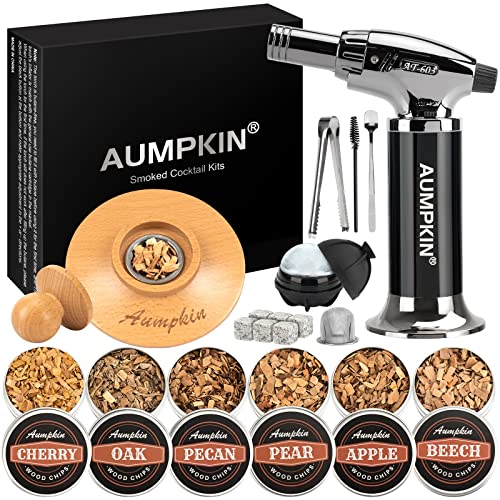


As an Amazon Associate we earn from qualifying purchases at no extra cost to you. Ratings are shown as listed on Amazon.
Quick picks by drinking situation
| Situation | Best smoker type | Why it fits | Typical cost |
|---|---|---|---|
| First smoker, occasional use | Smoking lid or cloche | Simple setup, small footprint, no batteries or electrical parts | $25–$80 |
| Frequent cocktails and varied recipes | Handheld cold-smoke gun | Adjustable smoke, works with glasses, pitchers, food, and garnish | $80–$180 |
| Strong smoke and tableside drama | Sealed smoking box | Contains smoke well and creates a visible reveal | $50–$150 |
| Several drinks at once | Electric smoker with hose or chamber | More consistent output and larger batch capacity | $120–$250 |
| Travel or tiny patio bar | Manual torch-and-lid kit | Compact and inexpensive, but requires closer heat management | $20–$60 |
How the main cocktail-smoking methods compare
Handheld cold-smoke guns: the most versatile choice
A cold-smoke gun burns a small amount of wood chips in a separate chamber, then pushes the smoke through a hose. Breville’s Smoking Gun is the best-known example of this format. Because the burning material does not sit directly on the drink or glass, you can control the intensity by changing the smoke time rather than heating the cocktail.
Choose this method for Old Fashioneds, Manhattans, Negronis, smoked lemonade, and large-format drinks. It is also the best option when your glassware varies: the hose can be positioned under a coupe, rocks glass, pitcher, or serving bowl.
The trade-offs are cost, batteries or charging, and cleanup. Most compact guns use AA batteries or a rechargeable power system, and their narrow smoke path can collect sticky tar if chips are overused. A gun usually gives the most control, but it does not create the same enclosed-cloud presentation as a cloche.
Smoking lids and cloches: easiest for one drink
A smoking lid rests over a rocks glass or other compatible vessel while a small wood-chip cup or pellet tray is lit at the top. Smoke stays around the drink for a short infusion, and lifting the lid creates the visual reveal associated with a smoked cocktail.
This is the right choice for an occasional Old Fashioned, smoked maple whiskey drink, or spirit-forward rum cocktail. It has fewer parts than an electric smoker and is often easier to rinse. Its limitation is fit: a lid designed for a 3.5-inch glass may not seal on a narrow Nick & Nora glass or a wide rocks tumbler.
Check the inside diameter before buying. A useful target is a lid opening at least 3.25 inches across for a standard rocks glass, with 4 inches or more providing better flexibility. A loose fit wastes smoke; an overly tight fit can trap heat against the rim.
Sealed smoking boxes: the richest infusion
A smoking box places the cocktail, garnish, or glass inside a lidded chamber. Smoke is introduced through a side port or generated in a small tray, allowing it to circulate around the entire drink. This method suits bourbon, mezcal, dark rum, amaro, and other drinks that can support a pronounced smoky aroma.
Boxes are particularly useful for preparing two to four drinks together. They also reduce smoke escaping into the room, although the wood tray and interior walls eventually develop a dark, resinous coating. That seasoning can add character, but it also means the box should not be treated like sterile barware.
Torch-based smokers: inexpensive but less predictable
In a torch-and-lid kit, a flame heats wood chips or a small wood puck directly. The method is compact and inexpensive, but heat control depends on the user’s technique. Holding the flame too close can scorch the wood, overheat the glass, or create bitter, acrid smoke instead of a clean campfire aroma.
Use this style when price and portability matter more than repeatability. It is less suitable for delicate cocktails, thin glassware, or busy service where every drink must taste similar.
Head-to-head buying criteria
| Feature | Smoke gun | Cloche or lid | Sealed box | Torch kit |
|---|---|---|---|---|
| Typical smoke time | 10–60 seconds | 30–120 seconds | 1–5 minutes | 15–90 seconds |
| Typical capacity | 1 glass to a pitcher | 1 glass | 2–4 glasses | 1 glass |
| Heat reaching drink | Very low | Low to moderate | Low, if smoke is generated separately | Moderate to high |
| Glass compatibility | Excellent | Limited by lid diameter | Limited by chamber size | Limited by lid diameter |
| Smoke control | Highest | Moderate | Moderate to high | Lowest |
| Cleanup effort | Moderate | Low | Moderate to high | Low to moderate |
Wood-chip compatibility matters more than the accessory bundle
Use dry, food-safe wood intended for smoking rather than damp garden trimmings, treated lumber, aromatic softwoods, or unknown sawdust. Fine chips produce smoke quickly in a gun, while pellets and small wood discs are more appropriate for trays and cloches.
- Apple and cherry: mild, lightly sweet smoke for gin, vodka, sparkling cocktails, and lighter rum.
- Oak: balanced and familiar with bourbon, rye, aged tequila, and brandy.
- Hickory: assertive and savory; use briefly with whiskey or dark rum.
- Mesquite: intense and dry; best in very small amounts with mezcal or tequila.
- Maple: gentle and rounded for bourbon, coffee cocktails, and drinks with maple or vanilla.
Before buying, confirm whether the smoker accepts loose chips, pellets, wood dust, or proprietary discs. A gun with a narrow burn chamber may clog when loaded with coarse chips. Conversely, a cloche tray designed for a puck may not burn loose sawdust evenly.
Match the smoker to the drink
- Old Fashioned: a lid, cloche, or smoke gun all work. Oak, cherry, and maple are reliable starting points.
- Manhattan or Boulevardier: use a gun or sealed box so the smoke stays aromatic without overheating the vermouth.
- Negroni: a short smoke treatment with oak or cherry complements the bitter profile; avoid heavy hickory.
- Mezcal drinks: choose a gun for a controlled layer of smoke, since mezcal already contributes a strong smoky note.
- Gin, spritzes, and highballs: use mild fruitwood and very short exposure. A cloche can overwhelm carbonation if left sealed too long.
- Hot drinks: skip most enclosed glass-top methods unless the manufacturer specifies heat-safe materials. Sudden temperature changes can crack glass.
Setup and cleanup: a repeatable method
- Prepare the cocktail first. Stir or shake, strain into the serving glass, and add the garnish. Smoke changes aroma more than flavor, so the finished drink is easier to judge.
- Start with a short exposure. Use about 10–15 seconds from a smoke gun or 30 seconds under a lid. You can add more smoke, but you cannot remove an acrid excess.
- Keep the smoke cool. With a gun, let the smoke travel through the hose before it reaches the glass. With a torch kit, keep the flame on the wood rather than the glass or lid.
- Rest briefly, then taste. A 30–60 second rest lets harsh surface smoke dissipate and gives the aroma time to settle.
- Empty ash immediately. Ash absorbs moisture and can become sticky inside trays and burn chambers.
- Clean without soaking electrical parts. Wipe lids and chambers with a damp cloth, wash removable metal trays, and follow the maker’s instructions for hoses and filters. Never block a smoke gun’s air intake with resin buildup.
For a rough consumable estimate, a 50-gram bag of chips costing $8–$15 may provide approximately 25–50 one-drink sessions when each session uses 1–2 grams. That works out to about $0.16–$0.60 per smoked drink, before replacing batteries or filters. Heavy-handed loading is usually the largest avoidable operating cost.
What wears out first
On smoke guns, the motor, battery contacts, hose, and mesh burn screen are the components to inspect. Resin buildup reduces airflow, while wet chips can make the motor sound strained. On cloches and boxes, silicone gaskets lose their seal before the wood or metal body fails. Replaceable seals are worth prioritizing over decorative accessories.
Glass compatibility is another ownership issue. Measure the actual outside diameter of your preferred tumbler, including any thick rim, and compare it with the smoker’s opening. A smoker that fits only one glass may be cheaper initially but less useful over time than a universal hose-based model.
Final verdict
Buy a cold-smoke gun if you want the best overall control, broadest glass compatibility, and frequent use across different drink styles. Choose a cloche or smoking lid for simple, occasional Old Fashioneds and a compact patio bar. Select a sealed smoking box for powerful smoke, multiple servings, and tableside presentation. A torch-based kit makes sense on a tight budget, provided you are willing to trade consistency and heat control for portability.



Write Your Review
No reviews yet. Be the first to share your experience!