

Key takeaways
- Best Overall Planter: Mayne Fairfield 48in Self-Watering Window Box
- Best Railing Planter: VOXOR 24 Inch Railing Planter Box with Coco Liner
- Best Value Planter: Root and Vessel Countryside Railing Planter, 24 Inch
- Best Liner Upgrade: HHTHH Trough Coco Liner, 30 inch
- Best Soil: Miracle-Gro Organic Outdoor Potting Mix, 16 qt
- Best for Dry Spells: Miracle-Gro Water Storing Crystals
- Best Cool-Season Starter: HOME GROWN Pansy Swiss Giants Mix Seeds
The best plants for window boxes follow a simple formula: one tall “thriller” in the middle or back, a few mounding “fillers” around it, and a trailing “spiller” along the front edge. In full sun, that usually means geraniums, petunias or calibrachoa with sweet potato vine; in shade, it means coleus, begonias and fuchsia with ivy; and in cool seasons it means pansies and violas. This guide gives plant lists by light and season, then names the planters, liners, soil and seeds that make them work. If you want one planter to start with, the Mayne Fairfield 48in self-watering window box is the easiest forgiving choice, and the VOXOR 24 inch railing planter with coco liner is the pick for balconies and deck rails.
One note on scope: we describe plants by general growing habit. Hardiness differs between cultivars and local climates, so we do not promise that any plant will survive winter where you live. Always read the plant tag or ask a local garden center about your area.
Our top picks
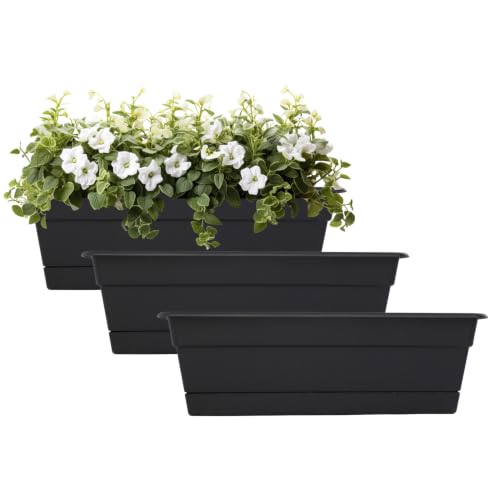

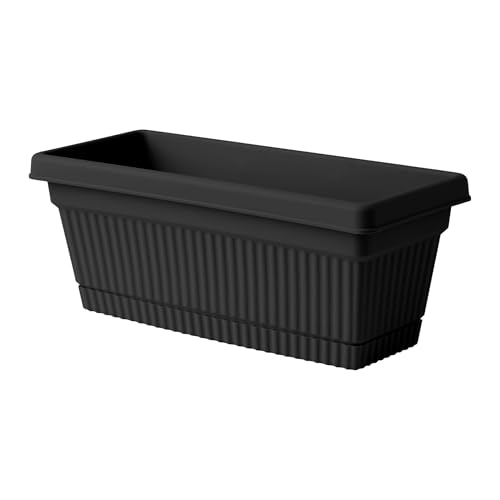
As an Amazon Associate we earn from qualifying purchases at no extra cost to you.
Top Picks at a Glance
- Best Overall Planter: Mayne Fairfield 48in Self-Watering Window Box
- Best Railing Planter: VOXOR 24 Inch Railing Planter Box with Coco Liner
- Best Value Planter: Root and Vessel Countryside Railing Planter, 24 Inch
- Best Liner Upgrade: HHTHH Trough Coco Liner, 30 inch
- Best Soil: Miracle-Gro Organic Outdoor Potting Mix, 16 qt
- Best for Dry Spells: Miracle-Gro Water Storing Crystals
- Best Cool-Season Starter: HOME GROWN Pansy Swiss Giants Mix Seeds
Plant Quick Guide
| Situation | Thriller | Fillers | Spillers | Watch for |
|---|---|---|---|---|
| Full sun, summer | Upright geranium, dwarf zinnia, salvia | Marigold, verbena, lantana | Trailing petunia, calibrachoa, sweet potato vine | Dries out fast in afternoon heat |
| Shade, summer | Coleus, fibrous begonia | Torenia, impatiens types, fuchsia | Ivy, creeping Jenny, trailing lobelia | Slugs and overwatering |
| Spring | Snapdragon, dwarf stock | Pansy, viola, primrose | Sweet alyssum, trailing lobelia | Late frost nights |
| Fall and winter | Ornamental kale, dwarf evergreen | Pansy, heuchera, heather | Ivy, trailing evergreen sprigs | Waterlogged roots in freezing weather |
What Are the Best Plants for Window Boxes in Full Sun?
Sun-loving annuals that tolerate heat and occasional dry soil do best, and the strongest are geraniums, petunias, calibrachoa (sometimes sold as million bells), verbena, marigolds, lantana and sweet potato vine. A south or west-facing box gets six or more hours of direct light, and the soil in a shallow box can dry within a day in July. Choose plants that bloom steadily and tolerate quick drying, and pair them with a self-watering box or water-retaining mix.
Best spiller plants for window boxes
Spillers are the plants that hang over the front edge and soften the box. Reliable choices include sweet potato vine (chartreuse or dark purple foliage), trailing petunia and calibrachoa, bacopa, trailing verbena, creeping Jenny, English ivy, and trailing lobelia in cooler or partly shaded spots. Plant them near the front edge, angled slightly outward, and pinch back leggy stems in midsummer to keep them full.
Best vine-type plants for window boxes
True climbing vines need a trellis, which most window boxes cannot support. Instead, use trailing vines: sweet potato vine, ivy, vinca vine, nasturtium and creeping Jenny all drape well. If you want something to climb, a small bamboo cane or wire trellis fixed to the wall behind the box works with compact climbers, but check that the planter bracket can handle the extra weight and wind load.
What Are the Best Shade Plants for Window Boxes?
For shade, coleus, fibrous (wax) begonias, fuchsia, torenia, impatiens types, ivy and creeping Jenny are the dependable group. A shady window box gets under about four hours of direct sun, which means soil stays moist longer, so overwatering is the bigger risk than drought. Choose a box with drainage holes, and let the top inch of soil dry slightly before watering again.
Foliage does the heavy lifting in shade. Coleus offers chartreuse, burgundy and patterned leaves that look vivid without much direct light. Fuchsia gives hanging flowers that suit a shaded porch rail, while begonias keep blooming through summer. Regular impatiens can struggle with downy mildew in some regions, so look for disease-resistant types or substitute begonias and torenia. We do not claim any plant is immune to disease, and local conditions vary.
Shade annuals versus shade perennials
Annuals give the most color per season, which is why they dominate shaded window boxes. Small hosta, heuchera and ferns are perennials that can work in a deeper box, but roots have less insulation in a box than in the ground, so overwintering is uncertain. If you want perennials, treat them as seasonal unless the plant tag and your local garden center confirm they survive container winters in your climate.
What Are the Best Spring Flowers for Window Boxes?
Pansies, violas, snapdragons, primroses, dianthus, sweet alyssum and trailing lobelia are the standard spring window box group because they tolerate cool nights. Plant them as soon as the soil can be worked and nighttime temperatures are no longer severely freezing. Pansies and violas are the easiest: they handle light frosts and keep flowering when many other annuals stall.
Spring bulbs can also work. Small daffodils, grape hyacinth and tulips planted in the previous fall can be layered in a deep box, with pansies or violas planted over the top for early color. Leave the foliage to die back naturally before removing bulbs, and move the bulbs to the garden after bloom if your box is needed for summer annuals.
What Are the Best Summer Flowers for Window Boxes?
For summer, replace the cool-season plants with heat-tolerant ones such as petunias, calibrachoa, geraniums, marigolds, verbena and zinnias. Transition after the last frost date for your area, when nights stay reliably mild. Feed every week or two with a diluted liquid fertilizer, or add a slow-release granular feed at planting. Container plants run through nutrients faster than ground-planted ones because every watering washes some out.
Easy summer combinations
- Sunny classic: red or pink upright geranium in the back, white trailing petunia in the middle, chartreuse sweet potato vine over the edge.
- Cool-toned: purple salvia, silver dusty miller and blue trailing lobelia.
- Warm and bright: orange marigold, yellow calibrachoa and dark purple sweet potato vine.
- Shady and bold: burgundy coleus, pink begonia and ivy.
What Are the Best Winter and Fall Plants for Window Boxes?
For fall, ornamental kale, pansies, heuchera, mums, trailing ivy and heather give long-lasting color. In winter, cut evergreen boughs, dwarf conifers, holly sprigs and berried branches look attractive in a box and can be swapped as needed. Winter plants vary widely by climate, so check each plant’s tag for cold tolerance before relying on it.
One practical tip: if a box freezes solid, the soil can expand and crack lightweight plastic or thin ceramic. Resin and heavy-duty plastic boxes are more forgiving than thin or glazed ones. Make sure drainage holes remain open, because soggy soil that freezes is harder on roots than dry soil.
1. Mayne Fairfield 48in Self-Watering Window Box: Best Overall Planter
- Size: 48 inch rectangular window box
- Self-watering reservoir per the listing
- Fade-resistant, all-season resin construction per the listing
- Wall mount brackets available on the matching white version
- Weight and reservoir volume: not listed
Best for: Sunny windows where you cannot water twice a day. Skip if: you need a narrow box for a thin railing.
A self-watering reservoir buffers dry days, which is the main failure point for window boxes on sunny walls. Plants take up water from a reservoir below the soil through wicking, so you refill less often than with a standard box. At 48 inches, it holds enough plants for a full thriller, filler and spiller arrangement.
In practice, self-watering systems still need attention. Check that the overflow is clear, and avoid letting plants sit saturated, especially for shade plants such as begonias that dislike constantly wet roots.
Pros: Larger planting area, self-watering reservoir, fade-resistant resin, suits full-sun plants. Cons: Larger and more expensive than basic boxes, and you must mount it securely once filled.
2. VOXOR 24 Inch Railing Planter Box with Coco Liner: Best Railing Planter
- Size: 24 inches
- Adjustable brackets per the listing
- Includes a coco liner per the listing
- Designed for balcony and deck railings
- Material details and weight rating: not listed
Best for: Apartment balconies, deck rails and fences. Skip if: your railing shape differs from the bracket range listed.
Railings vary in width and profile, and adjustable brackets handle more of them than fixed hooks. A coco liner gives roots airflow and lets excess water drain. A 24 inch box suits three to four plants, such as one geranium and two trailing plants.
The key issue is weight. A box filled with wet soil is heavy, so confirm the load rating with the maker before mounting on a thin railing or shared balcony, and check building rules where relevant.
Pros: Adjustable brackets, liner included, compact for balconies. Cons: Small soil volume dries quickly; weight limit is not listed.
3. Root and Vessel Countryside Railing Planter, 24 Inch: Best Value Planter
- Size: 24 inch, black
- Fits 3.5 or 5.5 inch wide flat railings per the listing
- Durable, weather-resistant construction per the listing
- Weight and drainage detail: not listed
Best for: Flat wooden or composite deck rails. Skip if: your rail is round or wider than 5.5 inches.
This planter is straightforward: a rail-fitting box in a neutral color that suits many exteriors. Its listing specifies the rail widths it fits, which saves guessing. A black finish absorbs heat, so in direct summer sun, choose plants that can handle warm soil, such as geraniums and marigolds, and water more often.
Pros: Clear rail-fit range, simple look, good value. Cons: Not self-watering; fits flat rails only.
4. HHTHH Trough Coco Liner, 30 inch: Best Liner Upgrade
- Length: 30 inch trough liner, sold as a 2-piece set per the listing
- Natural coco material
- Replaceable, for window boxes and wall planters
- Thickness: not listed
Best for: Refreshing an older metal or wire box. Skip if: your box has a fixed plastic insert.
A coco liner lets soil breathe and drain, which is helpful for roots. It also looks natural with trailing plants poking through the sides. Liners dry faster than solid plastic, so water more often or add water-retaining crystals to the mix. Replace them when they thin out, usually after a season or two depending on weather.
Pros: Natural look, breathable, replaceable. Cons: Dries out faster; must match box length.
5. Miracle-Gro Organic Outdoor Potting Mix, 16 qt: Best Soil
- Volume: 16 quarts
- Organic outdoor container mix per the listing
- Contains quick-release natural fertilizer per the listing
- Feeding duration: not listed
Best for: Filling a new window box each season. Skip if: you want a mix with long-term slow-release feed built in.
Use fresh potting mix in window boxes rather than garden soil, which compacts and drains poorly in containers. A 48 inch box can hold much more than a single 16 quart bag; as a rough guide, estimate the box volume in quarts before buying, and plan on several bags for a large box. Top up with fertilizer on schedule, since the included feed is quick-release.
Pros: Designed for outdoor containers, easy to find. Cons: A single bag covers only small boxes; extra feeding is still needed.
6. Miracle-Gro Water Storing Crystals: Best for Dry Spells
- Size: 12 oz
- Soil moisture retention crystals for indoor and outdoor plants per the listing
- Application rate: follow the label
Best for: Sunny boxes that dry out by afternoon. Skip if: you grow shade plants that prefer drier soil between waterings.
Water-storing crystals swell with water and release it back to the soil over time. They can reduce how often you water, but they do not replace watering. Follow the label rate carefully: too many crystals can push plants up as they swell, and over-wet soil can harm roots of plants that prefer dry-down.
Pros: Helps in heat, small cost, easy to mix in. Cons: Easy to overuse; not suited to drought-loving plants.
7. HOME GROWN Pansy Swiss Giants Mix Seeds: Best Cool-Season Starter
- Pansy Swiss Giants mix, about 1,500 seeds per the listing
- Heirloom, non-GMO per the listing
- Germination and bloom timing: follow packet directions
Best for: Cool spring and fall boxes started from seed. Skip if: you want instant color; nursery plants are faster.
Pansies start slowly from seed, so many gardeners start them indoors in late summer for fall or in late winter for spring. Seed is the cheapest way to fill several boxes, but it requires patience. Follow the packet’s sowing depth and temperature advice.
Pros: Many seeds, wide color range, cool-weather bloomer. Cons: Needs planning; results vary by conditions.
Also Consider
- Osmocote Smart-Release Plant Food Plus, 2 lb: a granular slow-release feed you mix into potting soil at planting time to reduce weekly feeding.
- KVITER French Marigold seeds, 500 count: compact marigolds for sunny summer boxes.
- Survival Garden Seeds Cool Season Flower Seeds: a 10-variety mix aimed at early spring and fall sowing.
- EINYEXW 30 inch Railing Planter, 2 pack: a two-box set with adjustable brackets and coco liners per the listing, useful for matching rail runs.
Plant Picks by Situation
| Situation | Try | Box and supplies |
|---|---|---|
| South wall, hot afternoon | Geranium, calibrachoa, sweet potato vine | Mayne self-watering box, water crystals |
| North porch, little direct sun | Coleus, begonia, ivy | Any box with drainage, light potting mix |
| Balcony rail | Marigold, trailing petunia, lobelia | VOXOR or Root and Vessel railing box |
| Early spring and fall | Pansy, viola, ornamental kale | Fresh potting mix, seed packs |
How We Chose
This guide is research-based. We did not personally use these products. We combined general container-gardening practice (light levels, thriller-filler-spiller design, seasonal timing) with the manufacturer listing details for each product and extension-style gardening guidance. Plants are described by habit, not as product recommendations, because live plants vary by nursery and region. We selected supplies that are currently sold, kept to a maximum of two per brand where practical, and used only specs that appear in the listing text. Where a spec is missing, we say it is not listed.
We do not make hardiness or survival claims for specific cultivars. Check each plant tag and your local conditions.
Buying Guide
1. Choose the box by exposure and mounting
Match the box to the place. A wall-mounted box under a window needs sturdy brackets rated for the filled weight. A railing planter must fit the rail width. For sun-baked walls, favor deeper boxes or self-watering ones; shallow metal boxes heat quickly.
2. Aim for at least 6 to 8 inches of depth
Shallow boxes dry out fast and limit roots. Around 6 to 8 inches of soil depth works for most annuals; deeper is better for bulbs and larger plants. Check the listing for interior dimensions.
3. Use drainage and a proper mix
Drainage holes are essential. Use a potting mix labeled for containers, not garden soil. Add water-storing crystals in hot, sunny sites, following the label.
4. Plan spacing by growth, not by the nursery tray
Window boxes are planted denser than gardens, but overcrowding invites disease. A common guide is one thriller per 24 inches of box length, two to three fillers and two spillers, adjusting to the plant tag spacing.
5. Feed and water on a schedule
Check moisture daily in summer by poking a finger into the soil. Feed weekly with dilute liquid fertilizer, or use a slow-release product and follow its label. Deadhead spent blooms to prolong flowering.
Common Mistakes to Avoid
- Planting sun annuals in a shaded box and expecting bloom.
- Mounting a filled box with brackets that are not rated for the weight.
- Using garden soil, which compacts and drains poorly.
- Overusing water crystals.
- Skipping fertilizer, then wondering why bloom fades in midsummer.
- Ignoring the plant tag’s cold and frost notes.
Frequently Asked Questions
What are the best shade plants for window boxes?
Coleus, fibrous begonias, fuchsia, torenia, ivy and creeping Jenny are dependable choices. Foliage plants like coleus give color without relying on strong light. Water carefully, since shaded soil stays wet longer.
What are the best spiller plants for window boxes?
Sweet potato vine, trailing petunia, calibrachoa, bacopa, ivy, creeping Jenny and trailing lobelia are all good spillers. Choose by light: petunia and calibrachoa for sun, ivy and lobelia for partial shade.
What can I plant in a window box in spring?
Pansies, violas, snapdragons, primroses, dianthus and sweet alyssum handle cool spring weather. Watch for late frosts and cover the box or move it if a hard freeze is forecast.
What are good summer flowers for window boxes?
Geraniums, petunias, calibrachoa, marigolds, verbena and zinnias perform well in summer heat. Pair them with sweet potato vine or ivy to trail over the edge, and feed regularly.
What can I put in a window box in winter?
Ornamental kale, pansies and heuchera suit mild winters, while cut evergreens, berried branches and dwarf conifers work where it freezes. Check each plant’s tag for cold tolerance because winter performance depends on your climate.
Which vine-type plants work in a window box?
Trailing vines such as sweet potato vine, ivy, vinca vine, nasturtium and creeping Jenny work best. True climbers need a trellis, which most boxes cannot support without extra hardware.
How often should I water a window box?
In summer, check daily. Sunny boxes can need water once a day or more, while shaded boxes may go two or three days. Always check the soil by hand rather than following a fixed schedule.
Which One Should You Buy?
If you have a sunny window and little time, buy the Mayne Fairfield 48in self-watering box, fill it with the Miracle-Gro Organic Outdoor Potting Mix, and plant a geranium, petunias and sweet potato vine. If you have a balcony or deck rail, choose the VOXOR 24 inch box (adjustable) or the Root and Vessel 24 inch (for flat rails). Add the HHTHH coco liner to refresh an older metal box, and add water crystals only if your site dries out by afternoon. For cool seasons, start pansies from seed or buy nursery plants and keep things simple.
Sources
- Mayne, VOXOR, Root and Vessel, HHTHH and EINYEXW manufacturer product pages and listings
- Miracle-Gro and Osmocote product labels
- University cooperative extension container gardening guides
- Seed packet growing directions from the named seed brands
Last updated: October 2026




Write Your Review
No reviews yet. Be the first to share your experience!