

Key takeaways
- A remote control mower is not a robot: you steer it, so it suits slopes, rough ground and overgrowth rather than weekly lawn cutting.
- Listing slope claims of 45 to 65 degrees are maximum climb figures; 45 degrees is a 100% grade, far steeper than any normal lawn, so treat them as limits, not a mowing recommendation.
- Gas, gas-electric hybrid and battery models trade runtime, noise and upkeep differently.
- Cutting width (about 21 to 22 inches for most small tracked models) and remote range matter more than headline horsepower for a home yard.
- Safety comes first: stay in line of sight, keep bystanders away and read the manual’s slope and stop instructions.
The best remote control lawn mowers are tracked, brush-cutter style machines that you steer from a handheld transmitter, built for banks, ditches and overgrown patches where a push mower is awkward and a robot mower cannot cope. For most homeowners with a steep bank, a 21 to 22 inch gas or hybrid tracked model such as the INFRONT hybrid, the AIWEIYA 9HP brush mower or the DAREDEVIL 9 HP tracked mower is the practical starting point. Larger 25 HP machines like the BisonTek exist for acreage and heavy brush.
Our top picks


As an Amazon Associate we earn from qualifying purchases at no extra cost to you.
Key takeaways
- A remote control mower is not a robot: you steer it, so it suits slopes, rough ground and overgrowth rather than weekly lawn cutting.
- Listing slope claims of 45 to 65 degrees are maximum climb figures; 45 degrees is a 100% grade, far steeper than any normal lawn, so treat them as limits, not a mowing recommendation.
- Gas, gas-electric hybrid and battery models trade runtime, noise and upkeep differently.
- Cutting width (about 21 to 22 inches for most small tracked models) and remote range matter more than headline horsepower for a home yard.
- Safety comes first: stay in line of sight, keep bystanders away and read the manual’s slope and stop instructions.
Remote control lawn mowers at a glance
| Pick | Power | Cutting width | Listed slope | Best for |
|---|---|---|---|---|
| INFRONT Remote Control Lawn Mower (hybrid) | Gas-electric hybrid | See listing | 45 degrees | Value tracked slope mowing |
| AIWEIYA Remote Control Brush Mower 9HP | 9 HP gas, 1600W brushless drive | 55 cm (about 21.7 in) | 45 degrees | Dense brush and weeds |
| GIYI 7.5HP Remote Control Lawn Mower | 7.5 HP gas | 21.7 in | 45 degrees | Lower-cost entry |
| Mowrator S1 4WD 12Ah | Battery, LiFePO4 | 21 in | 37 degrees (75% grades with standard tires) | Quiet, wheeled slope work |
| DAREDEVIL Remote Control Tracked Mower | 9 HP gas, 6 L auxiliary tank | 22 in | 55 degrees | Long sessions on tracks |
| HISATORX 9HP Tracked Mower | 9 HP gas | 21.7 in | Up to 50 degrees | Mid-range tracked option |
| BisonTek Slope Mower | 25 HP | 35.4 in | See listing | Acreage and heavy brush |
How We Chose
We have not driven or run any of these mowers; this guide is research-based. We compared listing text and maker descriptions, looked for tracked or four-wheel-drive layouts built for slopes, a stated engine or battery spec, a stated cutting width and a remote control system, and avoided anything that looked like a toy or a renewed unit. We limited each brand to two picks. Wherever the listing gave only a marketing slope figure, we describe it as a claim and add the caution a buyer should apply. Where a spec was not shown, we say “see listing”.
Slope claims in degrees and percent: what the numbers mean
Many listings for remote control mowers quote slope in degrees. The conversion to the percent grade that surveyors and lawn-care manuals use is simple: take the tangent of the angle and multiply by 100.
| Listing says | Percent grade | Rise over 10 ft run | Reality check |
|---|---|---|---|
| 25 degrees | 47% | 4.7 ft | Very steep for any lawn |
| 37 degrees | 75% | 7.5 ft | Mowrator listing figure |
| 45 degrees | 100% | 10 ft | One foot up for every foot forward |
| 55 degrees | 143% | 14 ft | Steeper than a staircase |
| 65 degrees | 214% | 21 ft | Near a cliff face |
So a 45-degree claim means the machine can climb a 100% grade in the maker’s description. That tells you the tracks and drivetrain are strong, but it is not the slope the engine, oil system and operator can safely work on. Gas engines often have a maximum operating angle in their own manual, and the mower should never be operated beyond the manual’s limit. Check the engine maker’s tilt rating and the mower’s own safe-slope guidance, and treat the headline number as an upper bound.
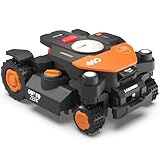
1. INFRONT Remote Control Lawn Mower (hybrid): Best value tracked slope mower
- INFRONT Remote Control Lawn Mower, all-terrain tracks
- Gas-electric hybrid per the listing · 45-degree slope climbing claim
- Higher-spec options with a snow plow or enclosed cabin exist in the same line
Best for: homeowners who want tracks for a steep bank without moving to the top price tier. The listing describes a high-power hybrid drive and a rugged all-terrain track system.
Skip if: you need a verified cutting width or engine spec; check the listing and the maker before purchase.
Pros:
- Tracked layout for grip on loose or wet ground
- Hybrid power can cover long sessions
- Several variants (snow plow, enclosed cabin) share the platform
Cons:
- Brand is new to most buyers; check support and parts access
- Specs such as deck width are not shown in the short listing text
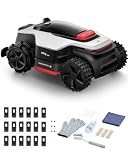
2. AIWEIYA Remote Control Brush Mower 9HP: Best for dense brush
- AIWEIYA Remote Control Brush Mower
- 9 HP gas · 55 cm (about 21.7 in) deck · auto-retract blades
- 1600W brushless drive · 45-degree slope claim
Best for: thick weeds, tall grass and brushy slopes where a standard lawn mower deck would clog. The auto-retract blade note in the listing is aimed at cutting dense growth.
Skip if: you want a fine, even lawn finish; brush mowers cut coarse growth rather than manicured turf.
Pros:
- 9 HP gas engine for dense material
- Brushless electric drive for the tracks
- 55 cm deck is wide enough to make progress
Cons:
- Gas engine means fuel, oil and noise
- Not intended as a weekly lawn cutter
3. GIYI 7.5HP Remote Control Lawn Mower: Best lower-cost entry
- GIYI 7.5HP gas remote control mower
- 21.7 in cutting width · 45-degree slope climbing claim
- All-terrain RC brush cutter design
Best for: small to mid-size slopes, ditches and fence lines where you want a tracked remote mower without the biggest engine.
Skip if: you regularly face very thick brush; a larger engine copes better.
Pros:
- Lower engine output may mean lower cost
- Same cutting width as larger competitors
- Remote operation keeps you off the slope
Cons:
- Less power reserve in thick growth
- Check the listing for runtime and fuel capacity
4. Mowrator S1 4WD 12Ah: Best battery-powered option
- Mowrator S1 4WD remote control mower, 12Ah LiFePO4 battery
- 21 in deck · 37-degree slope claim · standard tires listed for up to 75% grades
- Wheeled 4WD layout instead of tracks
Best for: owners who want a quieter electric mower for banks and want to avoid fuel. The LiFePO4 battery chemistry is noted for long cycle life.
Skip if: your slope is soft, muddy or very loose; tracks grip better than tires in those conditions.
Pros:
- Electric: no fuel, much lower noise and no oil changes
- 4WD with a clearly stated slope and tire note
- Compact deck for tight spaces
Cons:
- Runtime limited by battery capacity; confirm per-charge area
- Premium positioning for a 21 in deck
5. DAREDEVIL Remote Control Tracked Mower: Best for long sessions
- DAREDEVIL Remote Control Tracked Lawn Mower
- 9 HP gas engine · 6 L auxiliary fuel tank · 22 in cutting width
- 55-degree slope-climb claim · brushless drive
Best for: larger banks or roadside strips where you want to cut for an extended time without refueling, thanks to the auxiliary fuel tank.
Skip if: you want the lowest price; this sits mid to upper range.
Pros:
- Auxiliary tank extends the working time
- 22 in deck, slightly wider than many rivals
- Tracked, all-terrain design
Cons:
- Fuel handling and engine upkeep
- Check the listing for the remote’s range
6. HISATORX 9HP Tracked Mower: Best middle-ground tracked model
- HISATORX 9HP gas-powered tracked remote control mower
- 21.7 in cutting width · slope claim up to 50 degrees
- RC brush cutter configuration
Best for: mixed lawn and brush areas where you want 9 HP and tracks, at a cost close to the entry class.
Skip if: you need a verified service network; check parts and warranty before buying.
Pros:
- 9 HP engine and tracks
- Slope claim in the 50-degree range
- Deck width matches the segment standard
Cons:
- Fewer listing details on fuel and remote range
- Gas upkeep
7. BisonTek Slope Mower: Best for acreage and heavy brush
- BisonTek remote controlled slope mower
- 25 HP · 35.4 in manganese steel blades · 120+ minute runtime per listing
- Heavy-duty build for large properties
Best for: several acres of slope, embankments and heavy brush where a smaller mower would take too long.
Skip if: your yard is small or has narrow gates; the machine is large and heavy.
Pros:
- 25 HP and a 35.4 in cutting width cover ground quickly
- Manganese steel blades for tough material
- Runtime figure stated in the listing
Cons:
- High cost and weight; trailer likely needed
- Overkill for a normal home lawn
Also consider
- INFRONT with enclosed cabin: a variant listed with a 55-degree slope claim and a brushless motor; check the listing for cabin details.
- Tyzar 27HP tracked remote mower: a 100 cm cutting width, 600 m remote range and 65-degree claim; a commercial-scale choice.
- SYKEND remote-controlled mower: 22 HP engine with a 48V brushless motor for off-road use.
- AIWEIYA remote control flail mower: 459 cc engine and a 39.4 in hybrid commercial deck for rugged ground.
Buying guide: how to choose a remote control lawn mower
Decide what you will cut
The work decides the machine. Fine turf on a gentle bank is better served by a robot or a mower with a grass-catcher deck; coarse brush, thistles and saplings under an inch or so need a brush-cutter or flail design. Match the machine to the vegetation, and keep it away from woody stems thicker than the maker allows.
Tracks or wheels
| Layout | Strengths | Weaknesses | Best on |
|---|---|---|---|
| Rubber tracks | Grip on loose or muddy slopes, low ground pressure | Heavier, can mark soft turf when turning | Banks, ditches, rough ground |
| 4WD wheels | Lighter touch on lawn, faster over flat ground | Less grip on loose soil | Firm, grassy slopes |
Power source
Gas engines give long runtime and strong cutting but need fuel, oil changes, a spark plug and a carb that tolerates storage. Gas-electric hybrid designs, as described in the listings, use the engine alongside electric drive motors; check what that means in the manual. Battery models are quiet and simple, but their runtime is limited by amp-hours and you should plan per-charge area before you buy.
Cutting width and speed: a worked estimate
A 21.7 in deck is about 1.8 ft wide. If the machine moves at an average 2 mph while cutting, that is 10,560 ft per hour, which gives around 19,000 square feet per hour, or roughly 0.44 acre per hour before overlap and turns. A 35.4 in deck is about 2.95 ft wide; at 3 mph it covers around 46,700 square feet per hour, about 1.07 acres. Real output is lower because of overlap and slow turns, and speed ratings should come from the maker. Use these numbers to compare machines, not as a promise.
Remote range and controls
Listings mention ranges from a few hundred feet to 600 m. Always keep the mower in sight; a long range does not mean you can run it out of view. Look for a clear stop control, a failsafe that stops the machine when the signal is lost, and a transmitter with a comfortable layout.
Transport, storage and maintenance
- Check weight and ramps: a tracked mower is heavy, and loading it into a pickup bed needs proper ramps.
- Plan storage in a dry place; keep fuel in an approved container.
- Sharpen or replace blades on schedule and clean the underside after each session.
- Check track tension and the condition of the rubber.
Safety essentials for slope mowing
- Read the owner’s manual for the maximum slope, tilt limits and the correct way to start and stop.
- Stay on stable ground with a clear view of the whole work area; never stand where the machine could roll toward you.
- Clear rocks, bottles and wire from the area first; blades throw debris.
- Wear eye and ear protection and sturdy footwear.
- Keep children and pets out of the area while the mower runs.
- Stop and re-plan if the surface is wet, icy or loose.
Remote control mower, robot mower or trimmer: which tool for which slope
| Tool | Best on | Operator effort | Main limit |
|---|---|---|---|
| Tracked remote control mower | Steep banks, ditches, overgrown patches | You steer with a transmitter while standing on level ground | Heavy, fuel or battery limits, not automatic |
| AWD robot mower | Maintained lawn up to about 35% to 80% grade depending on rating | Set up once, then schedules itself | Needs a defined lawn; cannot cut brush |
| String trimmer or brush cutter | Small, rough, steep strips | Heavy manual work on the slope | Slow, tiring and riskier on a bank |
| Walk-behind mower | Gentle slopes | You walk the slope | Foot-slip risk above modest grades |
If the steep part of your property is a manicured lawn, an AWD robot may be the better long-term answer. If it is an overgrown bank, a wildflower edge you want kept short, or an area that is too rough to define for a robot, the remote control mower is the better fit.
How to mow a bank with a remote control mower, step by step
- Walk the area first. Look for stumps, rocks, holes, wire and drop-offs, and mark or remove them.
- Check the machine. Fuel or charge, engine oil if gas, blade condition, track tension and the remote batteries.
- Pick your position. Stand on firm, level ground with a clear view of the whole path, not directly below the machine.
- Start on flat ground and confirm the controls, the stop function and the blade engage switch before heading for the bank.
- Cut in lines that follow the manual’s guidance. Many operators go up and down the fall line on tracked machines to avoid side-slope tipping, but follow your manual.
- Overlap each pass slightly and keep the speed low in thick growth so the engine does not bog down.
- Pause to empty debris, check temperature and refuel with the engine cool.
- Finish on flat ground, stop the blade, switch off, and clean the underside once the machine has cooled.
Running costs and ownership realities
A remote control mower is a small piece of off-road equipment, and it comes with the upkeep of one. Gas models need fresh fuel, an air filter check, regular oil changes and a spark plug now and then; stale fuel left over winter is the most common starting problem. Hybrid and electric drive systems add battery care: avoid deep storage at full or empty charge, and follow the maker’s temperature limits. Tracks and rollers wear on gravel and rock, so look for spare-part availability and photos of the track assembly in the listing. Blades dull quickly in brush, so budget for a spare set and a way to sharpen or swap them. Finally, because many of these brands are new to the market, check the warranty length, the support contact and whether parts such as remotes, belts and blades are sold separately before you buy.
- Weight and transport: small tracked mowers are heavy enough that loading needs rated ramps and tie-downs.
- Noise: gas engines are loud; consider hearing protection and the time of day.
- Remote batteries: keep spares, and check the signal behavior if the battery drops.
- Cleaning: wet grass and soil pack under the deck, so a quick wash-down after each session extends life.
Frequently Asked Questions
What is the best remote control lawn mower for steep slopes?
A tracked gas or hybrid model in the 21 to 22 inch class, such as the AIWEIYA 9HP brush mower or the DAREDEVIL 9 HP, is the usual choice for steep banks. For very large properties, a 25 HP machine like the BisonTek covers more ground.
Are remote control lawn mowers safe on hills?
They keep you off the slope, which is the main benefit, but the machine can still roll or slide. Follow the manual’s slope limits, use the stop control and avoid wet or loose ground.
Is a tracked remote control lawn mower better than a wheeled one?
Tracks grip better on loose, muddy or uneven slopes. Wheeled 4WD models can be lighter on turf and quicker on firm ground.
Can a remote control mower replace a robot lawn mower?
No, they serve different jobs. A robot mows a defined lawn automatically on a schedule; a remote control mower needs you to steer it and is best for rough or steep areas.
How far does the remote control reach?
It varies by model. Some listings mention around 600 m, but you should keep the machine in view whatever the range is.
Do remote control lawn mowers use gas or batteries?
Both exist. Gas and gas-electric hybrid models dominate for long runtime; battery models like the Mowrator S1 are quieter but limited by battery capacity.
What does a 45-degree slope rating mean?
It means the maker claims the machine can climb a 100% grade. Treat it as a maximum limit and follow the safe-operating slope in the manual.
Questions to ask the seller before you order
- What is the engine or battery model, and what operating angle does the engine maker allow?
- What happens to the blade and drive if the remote signal drops?
- Which parts (tracks, blades, remote, belts) are stocked, and how long does shipping take?
- Does the price include the battery charger, spare blades and a manual in English?
- Is the warranty handled by the brand or by the reseller, and what does it exclude?
Which One Should You Buy?
For a typical home with a steep bank and thick growth, the AIWEIYA 9HP brush mower or the DAREDEVIL tracked mower is the best fit; choose the DAREDEVIL if long runs without refueling matter. The INFRONT hybrid and the GIYI 7.5HP are the value picks, and the Mowrator S1 is the quiet, fuel-free choice for firm slopes. Step up to the BisonTek only for acreage. Before you buy, confirm deck width, engine or battery spec, remote range and parts support on the listing or the maker page.
Sources
- Retail product listings for each model named above
- Maker pages for INFRONT, AIWEIYA, GIYI, Mowrator, DAREDEVIL, HISATORX and BisonTek
- Engine maker operating-angle guidance in each owner’s manual
Last updated: November 2026
More from Amazon
Programs that pair well with the guide above. Offers and eligibility are set by Amazon and may change.
Collect the home and kitchen items you want in one registry that guests can shop from.
Create a wedding registrySet up recurring deliveries of everyday items on eligible products. Terms and savings are set by Amazon.
Explore Subscribe & SaveFree shipping on eligible items, Prime Video and more. Eligible new members can start with a free trial.
Start a Prime free trialAudiobooks and podcasts to listen to on the go. Eligible new members can start with a free trial.
Try Audible freeAs an Amazon Associate we earn from qualifying purchases.




Write Your Review
No reviews yet. Be the first to share your experience!