
Our Short List of 3
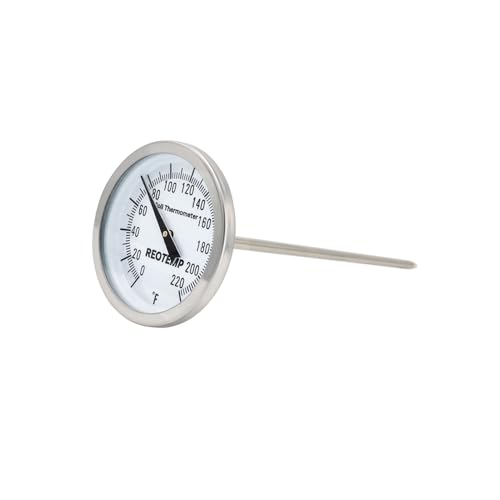
- Best for: gardeners checking seed trays and shallow beds each morning.
- Stem: 5-inch 304 stainless steel, waterproof
- Temperature range: 0 to 220 degrees Fahrenheit
- Dial: 2-inch analog dial
- Calibration: factory calibrated
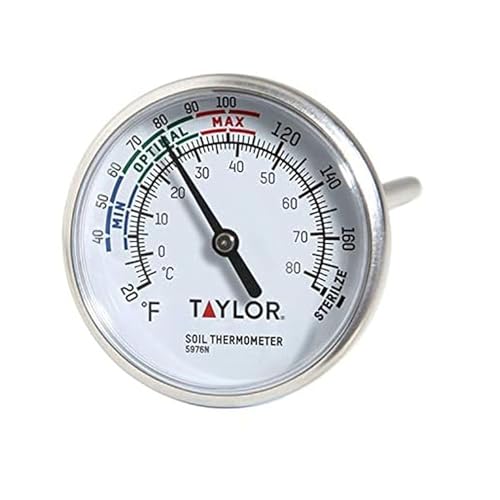
- Best for: first-time gardeners who want the planting window printed on the dial.
- Stem: 4-inch stainless steel
- Temperature range: 20 to 180 degrees Fahrenheit
- Dial: analog dial with minimum, maximum, and optimal planting zones
- Guard: silicone leaf guard
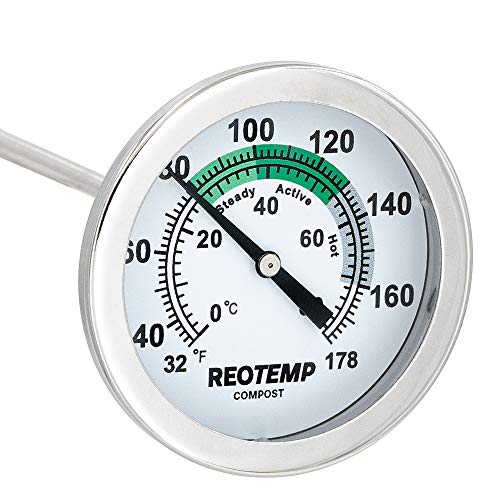
- Best for: raised beds and small compost bins where a short stem cannot reach root depth.
- Stem: 12-inch 304 stainless steel
- Temperature range: 32 to 178 degrees Fahrenheit and Celsius
- Case: waterproof and dustproof
- Guide: digital composting guide included
All 5 Picks at a Glance
| Product | Specs | Action |
|---|---|---|
| REOTEMP K82-3 Soil Thermometer |
| Check price on Amazon |
| Taylor 5976N Soil Testing Thermometer |
| Check price on Amazon |
| REOTEMP K83B1 Soil and Compost Thermometer |
| Check price on Amazon |
 Urban Worm Soil Thermometer |
| Check price on Amazon |
 Smart Choice Stainless Steel Soil Thermometer |
| Check price on Amazon |
Key takeaways
- Compare the best soil thermometers for gardens, from short dial probes for seed trays to long stems for raised beds, with ranges and stems checked.
Seeds do not care what the calendar says. They germinate when the soil at root depth reaches the temperature their variety needs, and a sunny afternoon can make the air feel warm while the ground two inches down is still too cold to wake them. A soil thermometer settles that question in seconds, turning a guess about planting day into a number you can compare with the range printed on the seed packet.
This guide serves gardeners starting seeds in trays, filling raised beds, and tending worm bins, and it compares five dial thermometers chosen from the names, stem lengths, and temperature ranges stated on their Amazon listings. Short probes suit trays and shallow beds, longer stems reach root depth in raised beds, and every pick below reads without batteries or an app.
Quick Picks
As an Amazon Associate we earn from qualifying purchases.
| Product | Best for | Key spec from title |
|---|---|---|
| REOTEMP K82-3 Soil Thermometer | Quick checks in seed trays and shallow beds | 5 Inch Stem, 0-220 Fahrenheit |
| Taylor 5976N Soil Testing Thermometer | Beginners who want planting zones on the dial | 4 Inch Stem |
| REOTEMP K83B1 Soil and Compost Thermometer | Deep readings in raised beds and small bins | 32-178 Fahrenheit and Celsius |
| Urban Worm Soil Thermometer | Worm bins and microbe-rich garden beds | 5-in Stainless Steel Stem |
| Smart Choice Stainless Steel Soil Thermometer | Budget spot checks around the garden | 127mm Stem, 0-220 Degrees Fahrenheit Range |
How to Choose
Match the Stem to the Depth You Measure
A soil thermometer only tells the truth at the depth its stem reaches, so stem length is the first choice to get right. Seeds germinate in the top two inches of soil, while transplants root four to six inches down, and a raised bed can hold a foot of mix above the ground. A four or five inch stem covers trays, pots, and shallow beds with room to spare. A twelve inch stem reaches the root zone of a deep raised bed or a small compost bin. Buy the stem for the deepest spot you will check, not the shallowest, because a short probe cannot be stretched and a long one can always be pushed in partway.
Check the Range Against Your Coldest Soil
Temperature range decides whether the thermometer can read the soil you actually have in early spring. A wide range such as 0 to 220 degrees Fahrenheit covers frozen ground, cool spring beds, and a hot compost pile in one tool. A narrower range such as 20 to 180 degrees still covers every realistic planting decision, since few seeds germinate below 40 degrees, but it cannot confirm a hard freeze. The Urban Worm pick tops out at 140 degrees, which suits worm bins and garden beds yet cannot track a pile running hot. Match the low end to the coldest morning you will measure.
Read the Dial Markings Before You Buy
Two dials can show the same temperature and still give a different answer about planting day. The Taylor dial prints minimum, maximum, and optimal zones right on its face, so a beginner sees the planting window without looking up a chart. Plain dials show only numbers, which suits a gardener who already knows the target temperature for each crop from the seed packet. Dial size matters too: a two inch dial reads easily from a standing position, while a small one and a half inch dial needs a closer look. A glass lens stays clear longer than plastic, and a top-read dial saves bending over the bed.
Weigh Build and Sealing for Outdoor Use
A soil thermometer lives in damp ground, so its build decides how many seasons it survives. Stainless steel stems resist rust and slide into loosened soil without bending, while a waterproof case keeps rain and wash water out of the dial. A protective sheath with a pocket clip guards the stem between beds and keeps the tool handy on an apron. All five picks here are analog dials with no batteries to replace and no screen to fail in cold weather. Wipe the stem clean after each use, dry it before storage, and keep the dial out of standing water.
The 5 Best Options
REOTEMP K82-3 Soil Thermometer
- Best for: gardeners checking seed trays and shallow beds each morning.
- Stem: 5-inch 304 stainless steel, waterproof
- Temperature range: 0 to 220 degrees Fahrenheit
- Dial: 2-inch analog dial
- Calibration: factory calibrated
gardeners checking seed trays and shallow beds each morning.
the five inch stem cannot reach the core of a deep raised bed, so confirm the depth you need before ordering.
The REOTEMP K82-3 is the compact analog probe that garden guides reach for first when seed starting begins. Its five inch stem of 304 stainless steel slips into trays and shallow beds, the waterproof case shrugs off damp soil, and the two inch dial reads from 0 to 220 degrees Fahrenheit. The maker states that it comes factory calibrated and settles in about a second, so a morning round of checks across several trays takes only a few minutes. It needs no batteries and carries no display to fog.
Taylor 5976N Soil Testing Thermometer
- Best for: first-time gardeners who want the planting window printed on the dial.
- Stem: 4-inch stainless steel
- Temperature range: 20 to 180 degrees Fahrenheit
- Dial: analog dial with minimum, maximum, and optimal planting zones
- Guard: silicone leaf guard
first-time gardeners who want the planting window printed on the dial.
the range starts at 20 degrees, so it cannot read a hard freeze or a hot compost pile.
The Taylor 5976N trades range for guidance, and that trade suits a gardener planting for the first season. Its four inch stainless stem measures 20 to 180 degrees Fahrenheit, and the dial marks minimum, maximum, and optimal zones so the planting window is visible at a glance. A silicone leaf guard protects the probe, the response settles in about half a second, and the analog dial needs no batteries. The narrow range is honest about its job: it covers sowing and transplanting, not frozen ground.
REOTEMP K83B1 Soil and Compost Thermometer
- Best for: raised beds and small compost bins where a short stem cannot reach root depth.
- Stem: 12-inch 304 stainless steel
- Temperature range: 32 to 178 degrees Fahrenheit and Celsius
- Case: waterproof and dustproof
- Guide: digital composting guide included
raised beds and small compost bins where a short stem cannot reach root depth.
the 32 degree floor means it cannot confirm a freeze, and the included guide is a written guide rather than a digital display.
The REOTEMP K83B1 is the long-stem pick for gardeners whose beds run deep. Its twelve inch stem of 304 stainless steel reaches the root zone of a raised bed and the middle of a small compost bin, reading 32 to 178 degrees in Fahrenheit and Celsius. The case is waterproof and dustproof, and the listing includes a digital composting guide for beginners. It is the only pick here that states both soil and compost use, which makes it the bridge between the seed tray and the bin.
Urban Worm Soil Thermometer
- Best for: worm bins and microbe-rich beds where the temperature band is narrow.
- Stem: 5-inch stainless steel
- Temperature range: 32 to 140 degrees Fahrenheit
- Display: analog dial
- Rating: waterproof
worm bins and microbe-rich beds where the temperature band is narrow.
the 140 degree ceiling is lower than the wide-range picks, so it cannot track a hot compost pile.
The Urban Worm thermometer is built for beds and bins where microbes and worms do the work. Its five inch stainless steel stem reads 32 to 140 degrees Fahrenheit on an analog dial, the case is rated waterproof, and the compact body slips into a worm bin without disturbing the bedding more than necessary. The model number is UWC-THERM, and the listing names gardening and worm bins as its uses. It is a simple tool for a narrow job, and its range matches the temperatures where worms stay active.
Smart Choice Stainless Steel Soil Thermometer
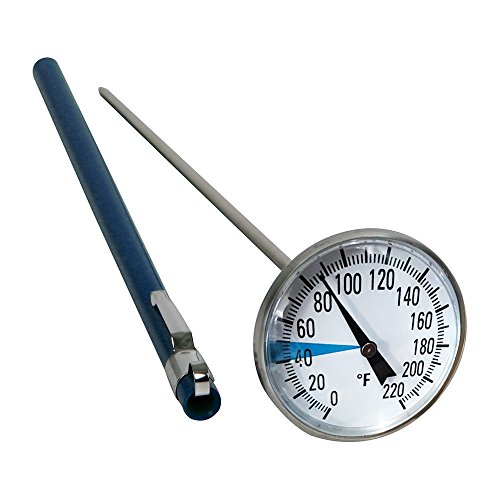
- Best for: gardeners who want a cheap second probe for quick checks in several beds.
- Stem: 127mm stainless steel, about 5 inches
- Temperature range: 0 to 220 degrees Fahrenheit
- Dial: 1.5-inch easy-to-read dial display
- Use: ground, compost, and garden soil
gardeners who want a cheap second probe for quick checks in several beds.
the small dial and generic brand mean checking the listing shows the 127mm stem before ordering, and the build is basic.
The Smart Choice pick is the plain, low-cost probe for quick spot checks around the garden. Its 127mm stainless steel stem, about five inches long, carries a one and a half inch dial that reads 0 to 220 degrees Fahrenheit. The listing names ground, compost, and garden soil as its uses, so one tool covers the tray, the bed, and the edge of the bin. There is no battery, no guide, and no extra feature to learn, which keeps the price of entry low for a gardener who only needs a number.
Which One Fits Your Situation
Starting Seeds Indoors in Trays
Trays are shallow, so a short stem is enough and a fast reading matters more than reach. The REOTEMP K82-3 settles in about a second and its five inch stem clears a standard cell tray, while the Taylor 5976N prints the planting zones on its dial for a first-time sower. Either one answers the only question that matters at the bench: is this tray warm enough to sow today.
Planting Out in Raised Beds
Raised beds hide their temperature below the surface, where a short probe only reads the top inch. The REOTEMP K83B1, with its twelve inch stem, reaches true root depth and reads in both Fahrenheit and Celsius. Keep the K82-3 beside it for quick surface checks, and use the long stem whenever a transplant decision depends on the soil four to six inches down.
Keeping a Worm Bin at the Right Temperature
Worms slow down when the bedding runs cold and suffer when it runs hot, so the band that matters is narrow. The Urban Worm thermometer reads 32 to 140 degrees, which covers the whole worm comfort zone, and its compact body fits a bin without churning the bedding. Check the same spot each time, and move the probe if the reading looks out of line with the room.
Checking Several Beds on a Small Budget
A gardener with many beds needs a probe in hand at every bed, not one precious tool kept indoors. The Smart Choice pick is the cheapest way to add a second or third thermometer, with a 0 to 220 degree range that covers every bed. Pair it with the Taylor for its printed zones, and the pair costs less than a single feature-heavy meter.
Common Mistakes
- Reading the surface instead of the soil at root depth, where seeds actually germinate.
- Planting seeds before the soil reaches the optimal zone marked on the dial or packet.
- Buying a short stem for a deep raised bed or compost bin, then guessing at the depth that matters.
- Forcing the probe into dry, hard ground, which can bend the stem or crack the dial seal.
- Leaving the thermometer outside in rain or storing it dirty, which shortens the life of the dial and stem.
Frequently Asked Questions
How deep should I push the probe?
Push the stem at least two inches into the soil for germination checks, since seeds sprout in that top layer. For transplants, measure four to six inches down, where the roots will sit. Take readings in several spots at the same time of day and track the trend over three to five days rather than trusting one morning.
Do soil thermometers need batteries?
The five picks in this guide are all analog dial thermometers, so none of them needs a battery. A bimetal coil moves the needle, which keeps the tool ready after months in a shed. Digital soil thermometers exist and read faster in low light, but they add a battery and a screen that can fail in cold weather.
Can I use a soil thermometer in a compost pile?
A short soil thermometer cannot read the core of a deep pile, where the heat lives. The REOTEMP K83B1, with its twelve inch stem, works for small bins and shallow heaps. A full-size pile needs a dedicated compost thermometer with a sixteen to twenty inch stem, which is a different tool from the picks in this guide.
How do I check whether my thermometer is accurate?
Stir the probe in a glass of ice water and wait for the needle to settle; it should read near 32 degrees Fahrenheit. If it reads high or low, note the offset and apply it to every garden reading. Repeat the check each spring, since a knock or a bent stem can shift the calibration over winter.
More from Amazon
Programs that pair well with the guide above. Offers and eligibility are set by Amazon and may change.
Collect the home and kitchen items you want in one registry that guests can shop from.
Create a wedding registrySet up recurring deliveries of everyday items on eligible products. Terms and savings are set by Amazon.
Explore Subscribe & SaveFree shipping on eligible items, Prime Video and more. Eligible new members can start with a free trial.
Start a Prime free trialAudiobooks and podcasts to listen to on the go. Eligible new members can start with a free trial.
Try Audible freeAs an Amazon Associate we earn from qualifying purchases.

Write Your Review
No reviews yet. Be the first to share your experience!