

Key takeaways
- For most buyers, the best patio glider is a single-seat, powder-coated steel or aluminum model with a 21- to 24-inch seat, at least a 300-pound capacity, removable 3- to 4-inch cushions, enclosed pivots, and stainless or corrosion-resistant hardware. Choose aluminum for humid or coastal exposure,…
Best Patio Gliders for Relaxing Outdoors
The best patio gliders combine a seat at least 20 inches wide, a weight capacity of 300 pounds or more, a smooth enclosed glide mechanism, a rust-resistant frame, and cushions thick enough for regular outdoor use.
For most patios, a powder-coated steel glider with a 21- to 24-inch seat, removable cushions, and stainless-steel or zinc-plated moving hardware offers the best balance of price, stability, and durability. Choose aluminum when moving the chair frequently matters, and choose a porch-style wooden glider when appearance and a deeper, more furniture-like seat take priority.
Our top picks

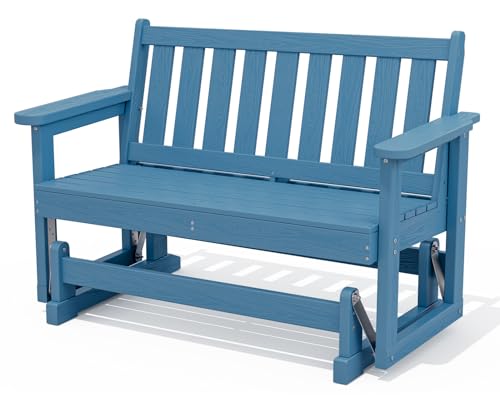
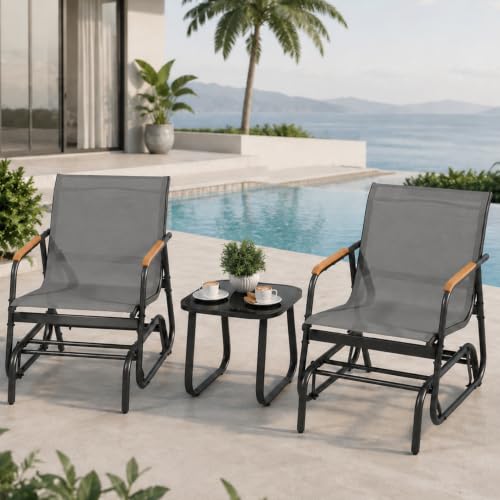

As an Amazon Associate we earn from qualifying purchases at no extra cost to you. Ratings are shown as listed on Amazon.
What to Compare Before Buying
Seat width and usable depth
Published chair width can include the arms, so compare the inside seat width rather than the overall measurement. A 20-inch seat accommodates one average adult comfortably; 22 to 24 inches gives more room for shifting position or using a small cushion. A deeper seat, around 19 to 22 inches, feels relaxed but may be less suitable if your feet do not reach the ground.
Measure the available patio space with the glider fully extended in both directions. A glider that is 30 inches deep at rest may need another 2 to 4 inches of clearance while moving. Leave at least 18 inches beside the chair for entering and exiting, and more if it will sit next to a table.
Weight capacity and frame stability
Look for a stated capacity rather than a vague description such as “heavy duty.” A 300-pound rating is a sensible minimum for everyday use. A 350- to 400-pound rating provides a larger safety margin, particularly for wider seats or chairs used by two people. Never assume that a loveseat glider’s capacity is double a single chair’s rating; verify the manufacturer’s combined limit.
Capacity is only part of stability. A broad base, low center of gravity, rigid arm joints, and a glide mechanism that does not flex under load matter just as much. On a windy deck, a lighter aluminum chair may need to be positioned against a wall or secured when not in use.
Glide smoothness
The best patio gliders move in a short, controlled front-to-back arc without scraping, rocking sideways, or stopping abruptly. Ball-bearing pivots can feel particularly smooth, while polymer bushings are quieter and usually require less maintenance. Enclosed pivots are preferable because they reduce the chance of catching clothing and keep grit away from moving surfaces.
Before purchasing, check whether the product uses a true gliding mechanism or simply rocks on curved runners. Rocking runners can be comfortable, but they need more floor clearance and may not move as evenly on a hard surface.
Best Patio Glider Types by Situation
| Situation | Best choice | Useful target specifications | Why it fits |
|---|---|---|---|
| Small balcony or narrow patio | Compact single-seat glider | 26–30 in. overall width; 20–22 in. seat width; 250–300 lb capacity | Uses less floor space and is easier to position around a railing or bistro table |
| Frequent daily use | Powder-coated steel or aluminum glider | 300–400 lb capacity; 2.5–4 in. cushions; enclosed pivots | Prioritizes structural rigidity, replaceable cushions, and consistent movement |
| Coastal or humid climate | Aluminum frame with stainless hardware | Aluminum tubing; stainless-steel fasteners; quick-dry or solution-dyed fabric | Reduces the risk of structural rust and handles damp conditions better |
| Lowest initial budget | Basic powder-coated steel glider | $120–$250 market range; 250–300 lb capacity; removable seat cushion | Usually costs less while still providing a stable, full-size seat |
| Decorative covered porch | Wooden porch glider | 20–24 in. seat width; sealed hardwood or treated lumber; 300 lb capacity | Provides a traditional appearance and often a deeper, more substantial seat |
| Two-person relaxation | Glider loveseat | 44–52 in. seat width; 500–600 lb combined capacity; reinforced center frame | Shares one gliding platform, but requires substantially more clearance and weight support |
Frame Materials: Which Lasts Best?
Powder-coated steel
Steel offers excellent rigidity and often produces the least wobbly feel at a moderate price. Its weakness is corrosion at chipped paint, exposed welds, screw holes, and the underside of the legs. Inspect the coating carefully and touch up scratches promptly with an exterior metal coating. Steel is a strong choice for covered patios or dry climates.
Aluminum
Aluminum is lighter than steel and will not develop red iron rust. It can still oxidize, pit, or suffer white corrosion when salt, standing water, or damaged powder coating is ignored. Thick-walled aluminum frames are preferable to very light tubing, especially on wide gliders. Aluminum is usually the best material for coastal areas, provided the fasteners and pivots are also corrosion-resistant.
Wood
Wooden gliders can look excellent on a porch, but they require the most finish maintenance. Water collects around end grain, joints, and the feet of the frame. Use a breathable cover rather than sealing damp wood beneath a waterproof one, and renew the exterior finish according to the product’s instructions. Wood also expands and contracts, so fasteners may need periodic tightening.
Cushion Construction Matters More Than Thickness Alone
A thick cushion is not automatically a comfortable or durable cushion. Look for outdoor foam or a dense polyester fill with a cover that can be removed for washing. Seat cushions around 3 inches thick are adequate for occasional use; 4 inches or more generally offers better support for daily sitting, provided the foam does not compress excessively.
Solution-dyed acrylic and solution-dyed polyester fabrics typically resist fading better than inexpensive printed fabric. A water-resistant cover is useful, but no cushion should be left wet under a cover. The first components to wear are often the seat cover, zipper, corner seams, and foam near the front edge. Replacement cushions can extend the life of a sound frame, so check whether standard cushion dimensions are available before buying a custom size.
Assembly: Where Quality Can Be Lost
Assembly affects glide alignment and long-term wear. Set the frame on a flat surface, identify every bolt before tightening, and keep the pivot hardware loose until both sides are aligned. Tightening one side fully first can twist the mechanism and create a scrape or uneven arc.
- Lay out the frame, arms, back, seat, pivots, washers, and fasteners.
- Attach the main frame without fully tightening the bolts.
- Install the pivot arms with every supplied washer in the specified order.
- Place the glider on a level surface and move it through its full range by hand.
- Tighten fasteners gradually from side to side, then check the movement again.
- Recheck all accessible bolts after the first few weeks of use.
If the chair binds after assembly, do not force it or add random lubricant. Confirm that the washers are correctly positioned, the frame is square, and no shipping spacer remains installed. Some polymer bushings are designed to run dry, while exposed metal pivots may call for a manufacturer-approved lubricant.
Rust Resistance and Ownership Costs
Rust resistance depends on the entire assembly, not just the frame label. Check the coating at welds, the underside of the seat, drain holes, screws, nuts, springs, and pivot pins. A “rust-resistant” finish does not mean rust-proof, particularly in a salty or constantly damp environment.
As a practical ownership calculation, suppose a $180 glider lasts five years with regular use four times per week. That is about 1,040 uses, or approximately 17 cents per use before maintenance. A $400 aluminum glider lasting ten years at the same frequency costs about 15 cents per use. The more expensive option can therefore be better value if it avoids early frame corrosion and replacement hardware, but only if its cushions and moving parts are also serviceable.
Keep the glider level, remove leaves and grit from the pivots, wipe salt residue away with fresh water, and allow cushions to dry completely before storage. Do not drag the chair, overload the arms, or place it directly in a puddle-prone location. During freezing weather, store cushions indoors and avoid operating a mechanism packed with ice.
Bottom Line
For most buyers, the best patio glider is a single-seat, powder-coated steel or aluminum model with a 21- to 24-inch seat, at least a 300-pound capacity, removable 3- to 4-inch cushions, enclosed pivots, and stainless or corrosion-resistant hardware. Choose aluminum for humid or coastal exposure, steel for maximum rigidity at a lower price, and wood for a sheltered porch where regular refinishing is acceptable. Above all, measure the moving footprint, inspect the hardware—not just the fabric—and choose a design with replaceable cushions and accessible fasteners.



Write Your Review
No reviews yet. Be the first to share your experience!